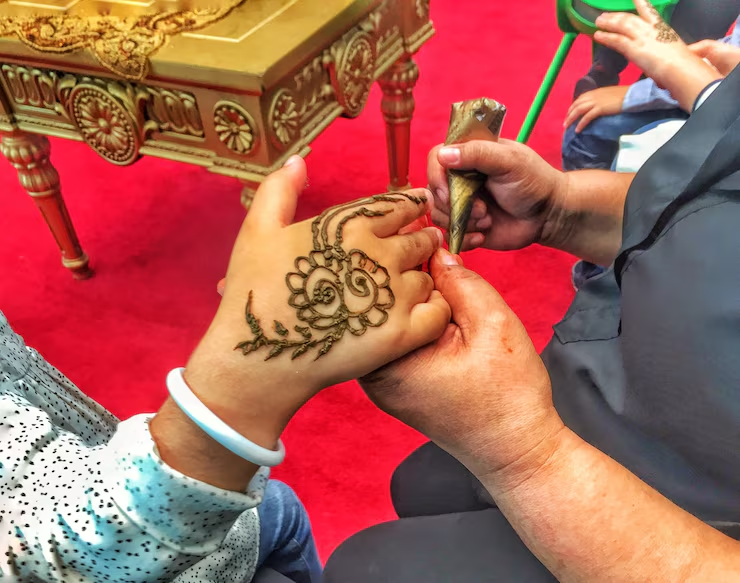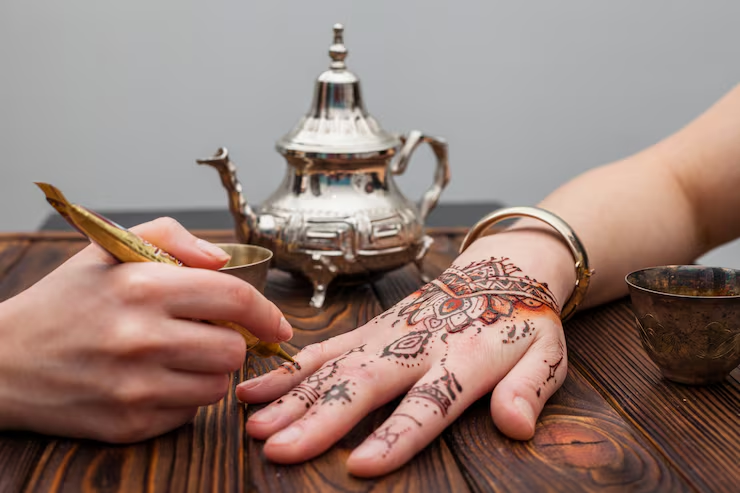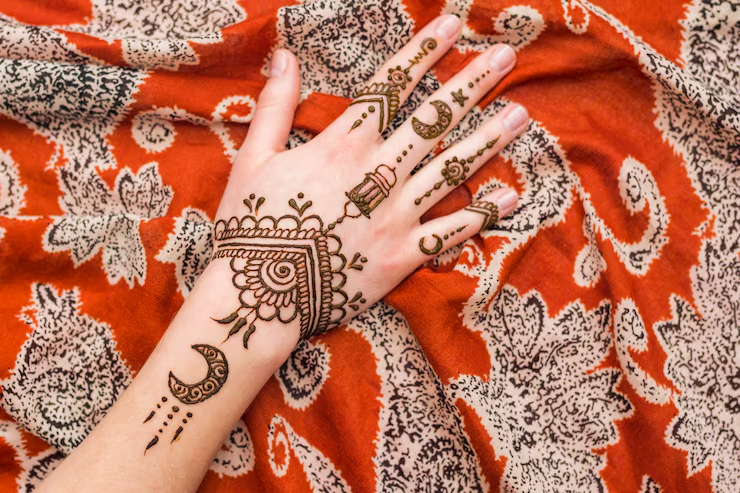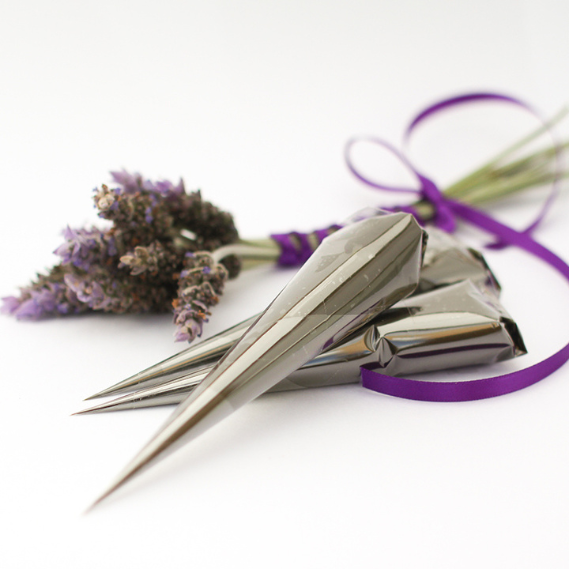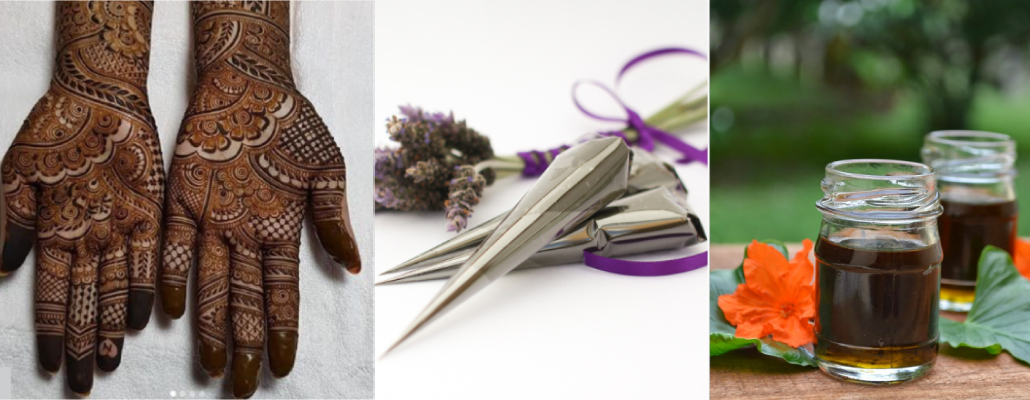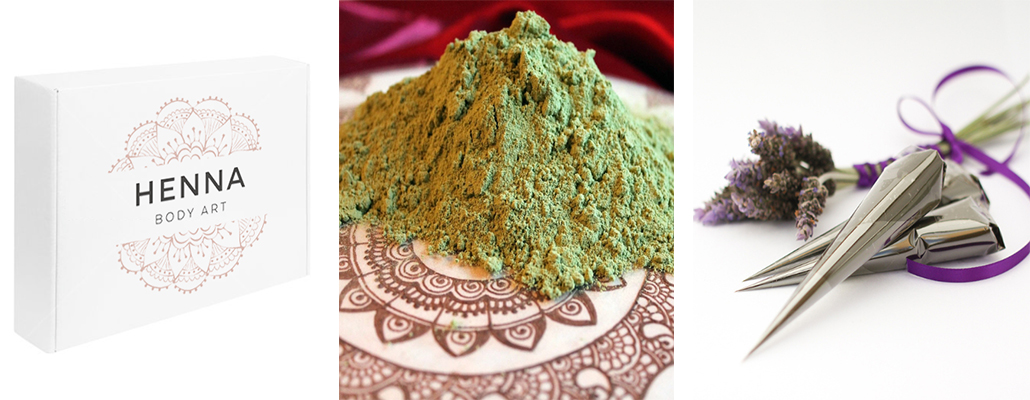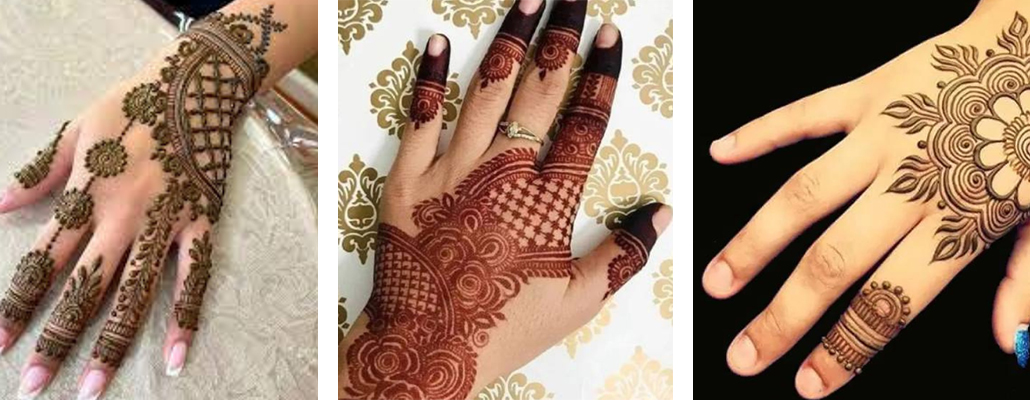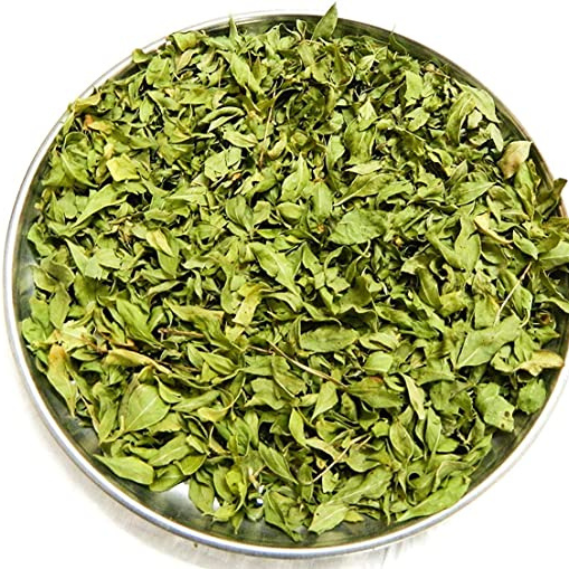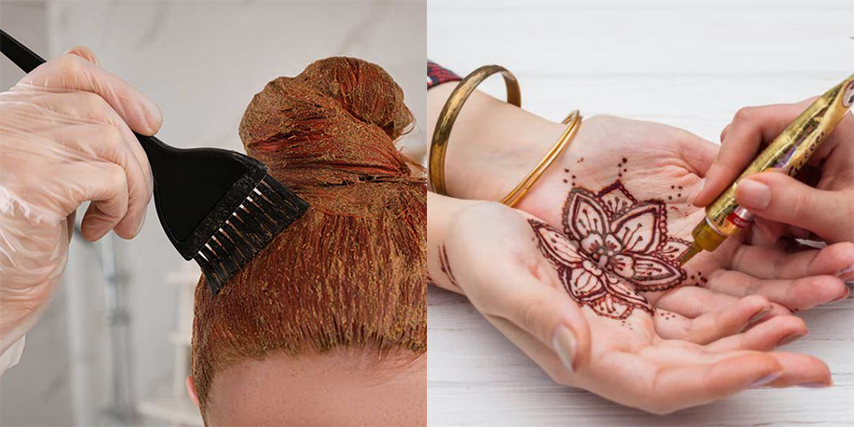
The Synergy of Paste and Tool

There’s an undeniable magic in the art of mehndi, a beauty that blossoms on the skin through intricate patterns and rich, earthy hues. But before any of that beauty can unfurl, you need two fundamental elements working in perfect harmony: a perfectly mixed, natural henna paste, and the ideal tool to apply it. This guide isn’t just about making one or the other; it’s about understanding how to make a henna cone with henna powder – a process that seamlessly brings together the creation of your paste and the crafting of its perfect applicator. This holistic approach ensures every step, from selecting your natural powder to sealing your cone, contributes to an authentic, safe, and stunning henna experience.

I still remember my early days, juggling store-bought cones that sometimes clogged and struggling with paste that didn’t quite have that deep, satisfying stain. The turning point was realizing that mastery over both the paste and the cone transformed my entire artistic process. It’s like a chef not just knowing their ingredients, but also crafting their own perfect utensils. This deep connection to the craft is what truly elevates the art.

Part One: Crafting Your Pure Henna Paste

Before we even think about the cone, we need its precious cargo: the henna paste. This is where purity and quality are paramount. Using body-art quality henna powder ensures a safe, vibrant, and long-lasting stain, free from the harsh chemicals sometimes found in pre-mixed, dubious products.

Gathering Your Paste Ingredients

You’ll need just a few simple, natural components:

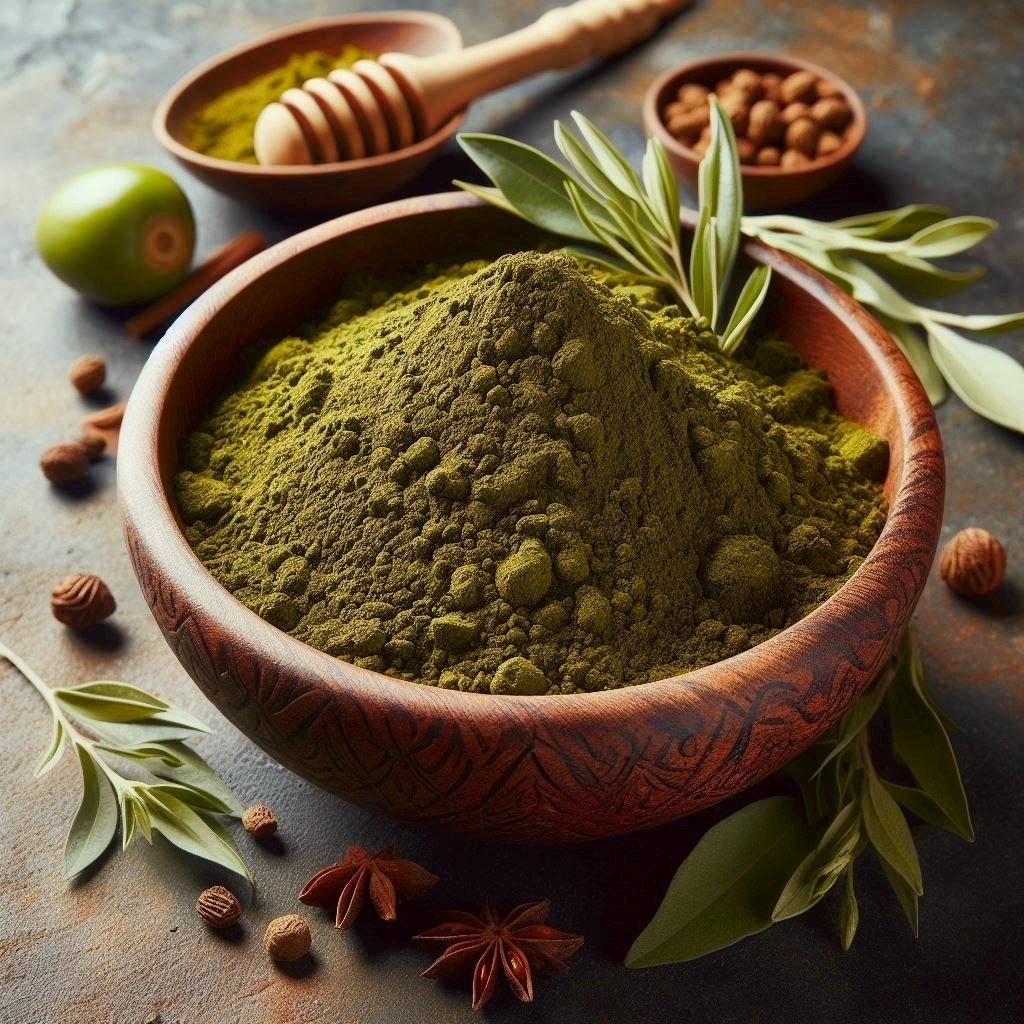
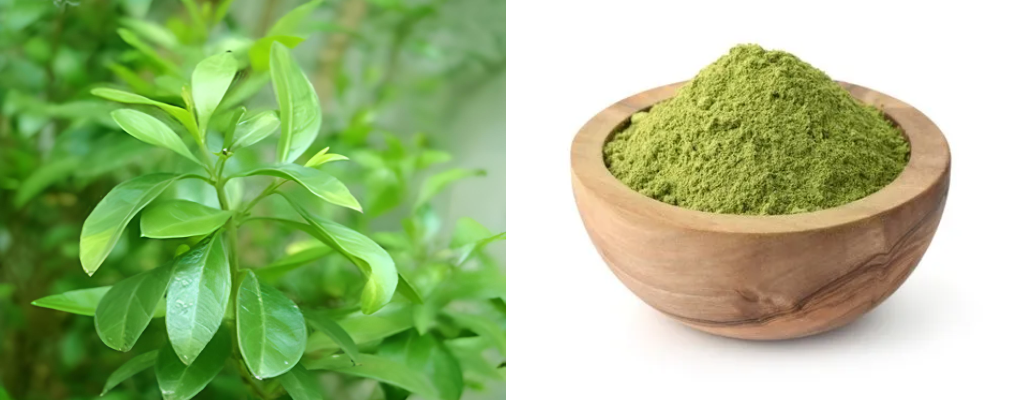
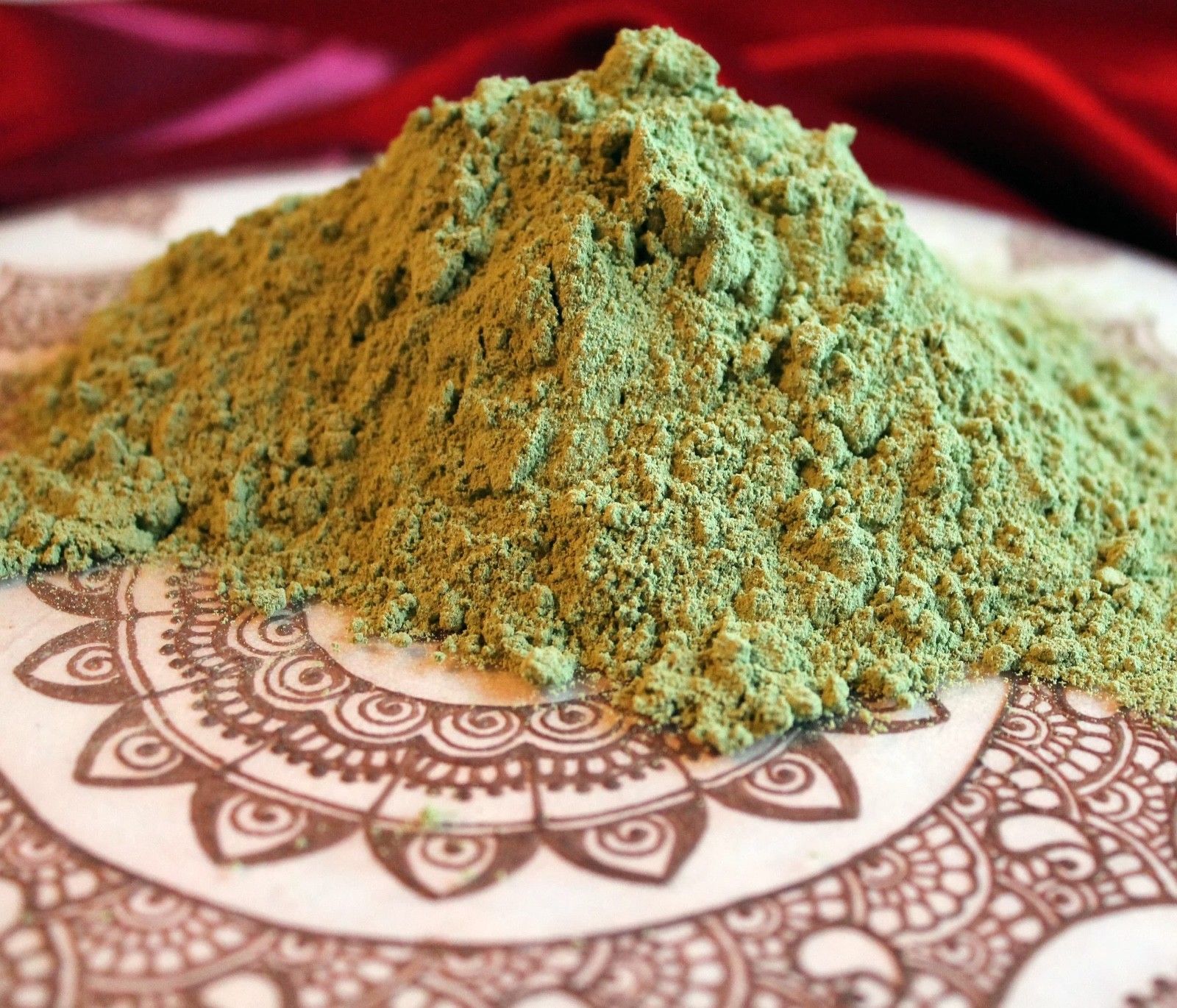
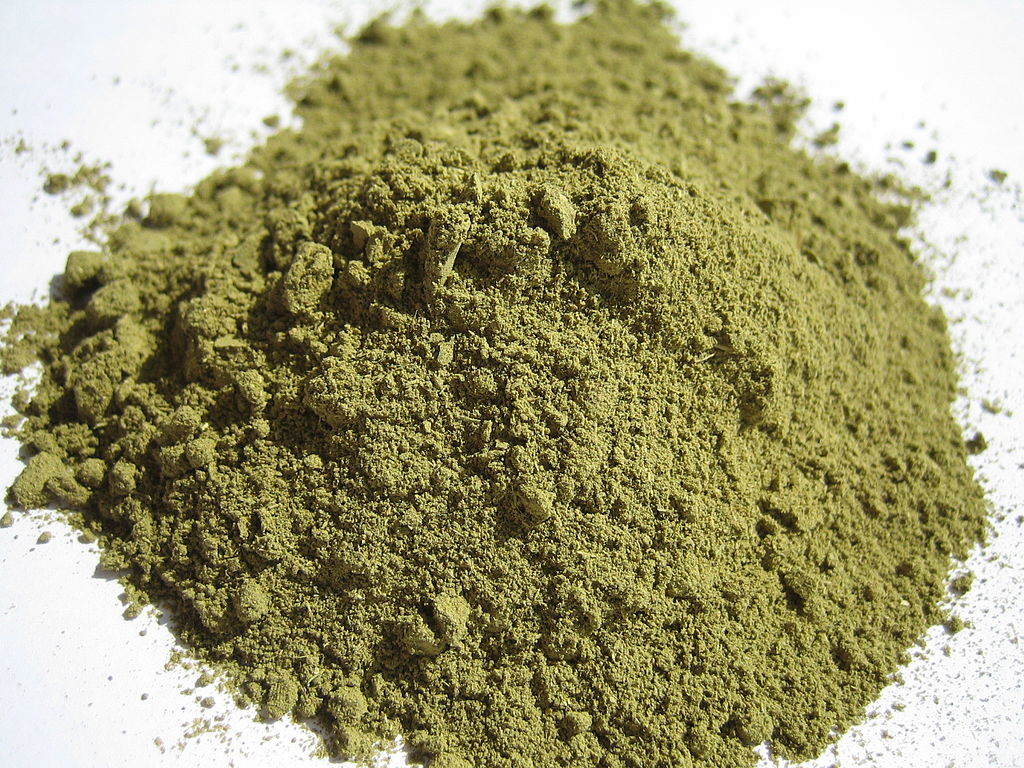
  • Body-Art Quality Henna Powder: This is the heart of your paste. Seek out a finely sifted, fresh powder that’s green in color and specifically designated for skin application. This quality is non-negotiable for rich, safe results.
  • A Gentle Acidic Liquid: This acts as the catalyst, coaxing the dye (lawsone) from the henna leaves. Bottled lemon juice or strongly brewed black tea are excellent choices.
  • Essential Oils (Terpene Rich): Oils like lavender, cajeput, or tea tree enhance the dye uptake and contribute to a darker stain. Use them sparingly, as a little goes a long way.
  • Sugar (Optional but Recommended): A touch of sugar can give the paste a smoother, more pliable consistency, helping it adhere better to the skin and creating a more vibrant stain.

Mixing Your Paste for Dye Release

In a glass bowl, combine your henna powder with the acidic liquid, adding it gradually while stirring. You’re aiming for a consistency similar to thick yogurt or mashed potatoes – smooth but not runny. Once the powder is fully hydrated, add your essential oils and a pinch of sugar if using. Mix thoroughly until there are no dry clumps.

Now comes the vital waiting period: dye release. Cover your bowl with plastic wrap, pressing it directly onto the surface of the paste to prevent it from drying out. Let it rest in a warm place. This process can take several hours, depending on the environment. You’ll know your paste is ready when you see a deep, reddish-brown liquid pool on the surface—a clear sign that the lawsone dye has fully bloomed. This patient waiting is crucial for achieving that coveted dark stain.

Straining for Silky Smoothness

Once dye release is complete, strain your paste through a fine nylon stocking or muslin cloth into another clean bowl. This step is essential to remove any tiny, unmixed particles that could clog the delicate tip of your henna cone later. The result will be a luxuriously smooth, consistent paste, perfect for flawless application.

Part Two: Crafting Your Precision Henna Cone

With your exquisite, smooth henna paste ready, it’s time to create its perfect vessel—the cone. The goal here is a sturdy, leak-proof, and finely tipped applicator that allows for precise artistic expression.

What You’ll Need for Your Cone

  • Cellophane Sheets: Professional artists often prefer clear, thin yet durable cellophane cut into squares or triangles (around an average side length is ideal for a comfortable cone).
  • Clear Adhesive Tape: Strong, reliable tape is critical for securing your cone.
  • Sharp Scissors: For precise trimming of your cellophane and, crucially, for snipping the cone’s tip.

The Art of Rolling Your Cone

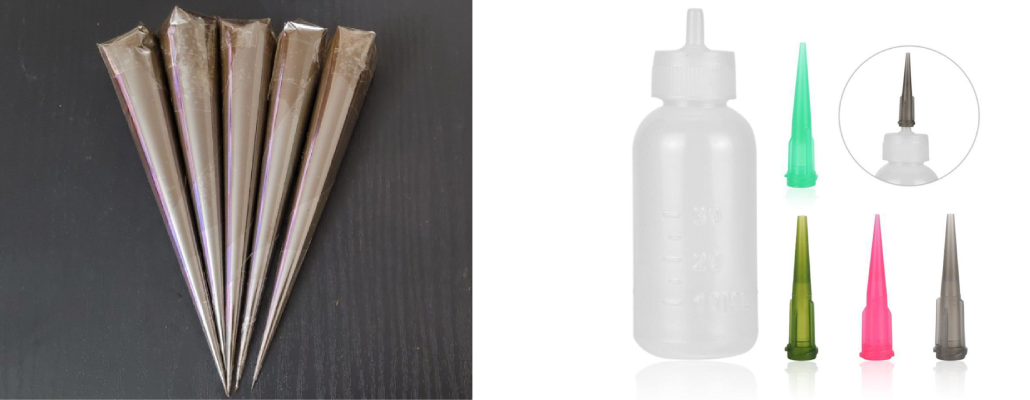
Take one cellophane sheet and hold it with one corner pointing towards you. Begin to roll the top-right corner inward and downward, aiming to create a perfectly sharp, tight point at the bottom. This point will be the dispensing tip of your cone, so precision here is key. Keep rolling, maintaining tension, until the entire sheet forms a conical shape. The top opening should be wide enough for filling, and the bottom tip should be closed and exceptionally fine.

Securing the Cone Seam

Once you’ve achieved that ideal shape and a needle-sharp, closed tip, use your clear adhesive tape to seal the outer seam of the cone. Start from the wide opening and apply the tape all the way down the seam, ensuring it adheres firmly and creates a strong, leak-proof bond. Double-check for any gaps, as these can lead to messy leaks during application.

Part Three: Filling and Sealing Your Masterpiece

You now have a magnificent, freshly mixed henna paste and a perfectly rolled cone. It’s time to bring them together!

Filling Your Cone

Carefully scoop your strained henna paste into the wide, open end of your cellophane cone. Only fill the cone about two-thirds full. Overfilling makes it difficult to seal and manage, potentially leading to paste oozing from the back. Gently tap the cone on a soft surface to settle the paste and remove any air bubbles.

Sealing the Back

With the paste nestled inside, fold down the open back of the cone. First, fold the sides inward, and then roll the top edge down several times until the paste is securely contained and the back is flat and tightly sealed. Use additional strips of tape to secure this rolled-down flap firmly. This creates a stable surface against which you can press your thumb to control the paste flow during application.

Your cone is now filled and sealed. Take your sharp scissors and snip the absolute smallest possible piece off the very tip of the cone. Start tiny! You can always enlarge the hole slightly if you need a thicker line, but you can’t make it smaller. This delicate opening is what allows for the creation of those incredibly fine, intricate mehndi designs.

By mastering how to make a henna cone with henna powder, you are not just preparing materials; you are engaging in a beautiful, ancient ritual. This hands-on process connects you deeply to the art, promising a rewarding experience and stunning, natural results. Now, go forth and create!


There is something deeply satisfying about knowing exactly what goes onto your skin, especially when it comes to body art. For those of us who cherish the authentic beauty of mehndi, learning how to make homemade henna is more than just a recipe—it’s an essential act of self-care and artistic integrity.

I’ve heard the horror stories. We all know someone who tried a quick-fix temporary tattoo from an unreliable source, only to end up with a harsh, chemical-ridden paste that caused irritation or left a lasting mark of regret. The traditional art of henna is meant to be a joyous, safe experience. By mixing your own paste, you take complete control, guaranteeing a genuinely natural product free from harmful additives or mystery ingredients. This commitment to purity is the heart of beautiful, dark, and long-lasting stains. It connects you directly to the generations of artists who have celebrated this ritual for centuries.

When you create your own paste from quality materials, you are not just mixing; you are participating in a timeless tradition, ensuring every application is gentle on the skin and faithful to the true spirit of henna body art.

The Essential Ingredients: Simple Yet Powerful

Creating a superior henna paste doesn’t require a cabinet full of exotic components. The magic is found in the perfect synergy of just a few pure elements. It’s about respecting the power of nature’s simple gifts.

Choosing Your Henna Powder: The Soul of the Paste

The foundation of your paste is, without question, the powdered leaves of the Lawsonia inermis plant. This powder must be of body-art quality, finely sifted, and fresh. Think of it as the most precious spice in your culinary creation—its quality dictates the entire result. A vibrant, green-hued powder indicates freshness and potency. When you source high-quality organic henna powder, you’re setting yourself up for a deep, rich, reddish-brown stain that truly honors the art form. Never compromise on this step.

The Liquid Catalyst: A Gentle Acid

The henna powder contains a dye molecule called lawsone, which is locked away until it meets an acidic liquid. This liquid is the gentle key that unlocks the staining power. You can use strong, brewed black tea or coffee for a slightly richer tone, or simply use bottled lemon juice. The important thing is that the liquid is mildly acidic. You are not flooding the powder; you are coaxing the dye out slowly and patiently. This is where the chemistry of the earth meets your artistry.

Essential Oils: Adding Depth and Darkening Power

Finally, we introduce the magnificent power of essential oils. These oils, carefully selected for their terpene content, act as a bridge, helping the lawsone molecule bind more effectively to the skin’s keratin. Lavender, cajeput, or tea tree oil are fantastic choices. Use them sparingly, as a little goes a long way. They add a wonderful, subtle aroma to your paste, elevating the entire experience from a task to a sensory ritual. The combination of powder, acid, and oil creates an unstoppable team for deep, unforgettable colour.

The Recipe for Perfection: Mixing the Paste

Now that you have gathered your precious ingredients, it’s time to bring them together into a velvety, workable paste. This is a moment of intuition and feel—it’s less about rigid measurements and more about achieving the perfect texture.

Start by placing your desired amount of henna powder into a glass or non-metal bowl. Slowly add your liquid catalyst, stirring gently but thoroughly. The initial mixture will be lumpy and thick, perhaps like a heavy, dense cookie dough. At this stage, you are just hydrating the powder.

Once the liquid is incorporated, add your essential oil drop by drop. Continue to stir, gradually adding more liquid until the paste takes on the consistency of thick, creamy yogurt or mashed potatoes. It should be smooth enough to fall slowly off a spoon, but not watery. If it’s too thin, add a touch more powder; if too thick, a drop more liquid.

The Waiting Game: Dye Release

This is perhaps the most crucial stage, the period of quiet transformation. Once your paste is mixed, cover the bowl with a plastic wrap, pressing it down so the wrap is actually touching the surface of the paste. This prevents a crust from forming. Now, you wait.

Place your covered bowl in a warm area and leave it undisturbed. During this time, the acidic liquid is working its wonders, dissolving the cellulose of the henna leaf and releasing that beautiful lawsone dye. The waiting period depends entirely on the ambient temperature and the freshness of your powder, but it is typically many hours. You’ll know it’s ready when you see a deep, reddish-brown pool of liquid forming on the surface of your paste—a clear sign that the dye has released and your paste is ready for action!

Straining for Smoothness

Before loading your perfect, fresh paste into your artistic cone, you must strain it. Even the finest body-art quality powder can contain tiny specks that could clog the delicate tip of your cone, ruining a beautiful flow mid-design.

Press the finished paste through a sheer fabric, like a piece of stocking or a fine muslin cloth, into a fresh container. Gently work the paste through, leaving any tiny, unmixed bits behind. The result is a paste that is wonderfully smooth, soft, and guaranteed to glide from your cone in a continuous, ribbon-like stream.

Embrace this preparation process, and you’ll find that the true beauty of traditional henna art is found not just in the design on your skin, but in the mindful creation of the paste itself. Happy mixing, and may your stains be dark and your art be joyful!

There is a unique kind of joy that comes from creating something beautiful with your own hands. If you have ever felt drawn to the magic of mehndi—that intricate, earthy art that adorns hands and feet for celebrations—then you know the application tool is just as important as the paste itself. While premade cones are wonderfully convenient, learning how to make a henna cone from scratch is a foundational skill. It connects you deeply to the traditional process, ensuring you have the perfect, customized tool for precise, flowing designs. It’s about taking control of your artistic journey, guaranteeing every swirl and line is exactly how you envisioned it.

My first attempt at rolling a cone was, shall we say, memorable. It resembled a slightly deflated party hat more than a precise instrument. The paste oozed everywhere but the tiny tip! But that early frustration quickly turned into a delightful mastery. The secret is patience, attention to detail, and a little bit of practice. This process isn’t just craft; it’s meditation.

Gathering Your Simple Supplies

The beauty of this step is its simplicity. You don’t need a massive toolbox, just a few everyday items to transform a flat sheet into a three-dimensional masterpiece.

First, you need your material for the cone itself. Professional artists often favor transparent cellophane sheets, thin yet durable enough to hold the glorious henna paste. Look for sheets that feel supple and are cut into a manageable square or triangle shape. This is the canvas for your cone.

Next, you will need something to secure your creation. A roll of good quality, clear adhesive tape is essential. You want tape that adheres strongly and won’t lift when pressure is applied to the cone, especially near the end.

Finally, a sharp pair of scissors will help you trim your sheets into the ideal starting shape and, critically, to snip the finished cone tip for that perfect, fine stream of paste. Have a clean surface ready, and let’s begin the transformation.

The Art of the Roll: Cone Formation

This is where the magic begins. Take one of your prepared sheets and position it so that one of the corners is pointing directly toward you. Imagine a diagonal line running from the top right to the bottom left. We are going to start rolling from the very tip of the top-right corner.

The objective is to create a perfect spiral. Begin turning the sheet inward, carefully rolling the corner towards the center of the sheet. The key is to keep the developing tip incredibly sharp and pointed. As you roll, the cone shape will start to emerge. Use your non-dominant hand to gently guide the tip, adjusting the tightness of the roll.

If your tip is too wide, the henna flow will be uncontrollable. If it is too flimsy, it will buckle under pressure. The roll should be tight and firm, tapering down to a nearly invisible point.

Securing the Seam

Once you have achieved that satisfying, sharp point, and the cone feels stable in your hand, it’s time to secure the outer edge, which is called the seam. While maintaining the tension of your roll, apply a strip of the clear adhesive tape along the entire open edge of the cone. This strip should overlap the cellophane, creating a strong seal that will not leak when filled.

You must ensure the tape covers the seam completely, from the wide opening all the way down to a point close to the tip. This makes the cone paste-proof and structurally sound.

The Tiny Tip Secret

For now, do not trim the very point. The cone should have a fully closed tip. This tiny tip is the secret to fine lines. The actual opening will be created after the cone is filled and sealed.

Filling Your Cone with Liquid Gold

Now comes the delightful part—introducing your magnificent, fresh henna paste into its new home. It’s helpful to use a small spatula or spoon to transfer the paste. Gently open up the wide end of your newly crafted cone.

Only fill the cone about two-thirds of the way. If you fill it to the very top, it becomes difficult to seal, and the pressure you need to apply during drawing will push the paste right out of the back. A partially filled cone gives you room to manipulate the paste and create the necessary pressure for smooth flow. Remember to tap the cone gently against your hand once filled to settle the paste toward the tip, removing any small air pockets.

Sealing the Deal for a Mess-Free Experience

With the paste settled comfortably inside, fold the open end of the cone over. You will need to fold it down on itself in a way that creates a flat, closed-off top. Think of it like rolling down a sleeping bag. Fold the edges inward and then roll the entire top down until the paste inside is firmly contained.

Once the top is neatly rolled, secure this seal with additional pieces of tape. You want this seal to be absolutely watertight (or, in this case, paste-tight). This secure closure serves two purposes: it prevents leaks and, more importantly, it provides a solid surface against which you can press your thumb to control the flow of the paste out of the tip while drawing.

Practice Makes Perfect

Your cone is now complete! Take your scissors and snip off the very, very smallest part of the closed tip. Start minuscule—you can always snip more off to make the hole larger, but you can’t make it smaller. The hole should be tiny enough to produce a beautiful, fine line, much like the delicate work done with organic henna powder.

Hold the cone like a pen, place your thumb on the sealed back, and practice. Draw swirls, dots, and straight lines on a piece of paper. You’ll quickly find the perfect pressure and angle. This small, crucial step of making your own cone transforms a simple drawing material into a tool of art, perfectly suited to your hand and your unique style. Embrace the process, and you’ll soon be creating mesmerizing designs with authenticity and pride.

Your wedding isn’t just another event on the calendar. It’s a once-in-a-lifetime gathering with countless moving parts, and every detail contributes to the experience—not just for you, but for your family, your guests, and your memories. When it comes to bridal henna, mehndi nights, or traditional ceremonies, this detail becomes more than just personal preference. It’s a reflection of tradition, culture, style, and safety, all in one.

The wrong henna artist can compromise more than just your look. Poor-quality henna, rushed designs, unpredictable availability, and questionable hygiene all lead to added stress. The last thing you want in the lead-up to your ceremony is a reaction to synthetic ingredients or an artist who arrives late with stained hands from another booking. You need someone who gets the stakes and delivers without drama.

Reliability counts just as much as creativity. Choosing a skilled and professional henna artist means you’ll get designs that suit your aesthetic, timing that respects your event schedule, and natural henna products that are safe on your skin. That’s not something to gamble on.

So how do you separate real professionals from casual hobbyists? We’ll walk you through everything—from understanding your needs to recognising the red flags—so you can book the right henna artist for your wedding or celebration in Australia with confidence.

Understanding Your Needs and Expectations

Before you start contacting artists or comparing quotes, take time to get clear on what you actually need. Not every henna artist suits every event. The most seamless experiences happen when your chosen artist aligns with your priorities from the start.

What Style Are You After?

Henna design styles vary—from traditional Indian and Arabic patterns to contemporary fusion or minimalist trends. Some styles are dense and detailed, others are open and flowing. Knowing whether you want a full bridal look, guest designs, or casual pieces helps you match with an artist who specialises in that approach.

  • Bridal henna: Usually intricate and time-intensive, applied to arms and legs.
  • Guest or party henna: Simpler, faster designs suitable for multiple attendees.
  • Modern or minimal styles: Alternative patterns that may blend cultural styles or offer a contemporary twist.


What’s the Scope of Your Event?

Outline the scale of the celebration. Is it an intimate elopement or a full wedding week with back-to-back events? Henna bookings shouldn’t be one-size-fits-all. Knowing the guest count and number of sessions required helps you find an artist who can realistically manage it.

  • Will you need additional artists for a mehndi night or large guest group?
  • Do you want a private session ahead of time or application during the event?

What’s Your Ideal Timing?

Your schedule matters. Henna takes time not only to apply but also to dry and stain properly. Bridal sessions can run several hours, and the stain quality depends heavily on how long the paste stays on. Artists should work around your timing, not the other way around.

  • Consider when your images will be taken (so the stain is rich).
  • Check when other pre-wedding procedures are scheduled so they don’t interfere.

How Much Are You Willing to Spend?

Budget plays a part, but cheaper doesn’t always mean better. Don’t aim for the lowest quote—look for value in terms of skill, natural product use, reliability, and aftercare guidance. A slightly higher rate often covers premium elements that matter on your skin and schedule.

Ask Yourself These Questions Before Booking

  • Is the artist familiar with the style I want?
  • Can they meet my event’s schedule and size?
  • Do they use natural, skin-safe henna without chemicals?
  • Are they open to contract terms, timing details, and budget clarity?

Clarity up front avoids headaches later. When you know what you need, you’re in a strong position to choose the right artist—someone who brings more than art to the table. They bring peace of mind.

Key Qualities to Look for in a Henna Artist

Once you’re clear on your needs, the next step is matching those requirements with the right artist. Here’s what separates reliable professionals from inconsistent freelancers or inexperienced hobbyists: a consistent standard of skill, safety, and service.

1. Artistic Skill and Design Precision

The work should speak for itself. A strong portfolio will show versatility across various styles—traditional Indian bridal, Arabic florals, contemporary patterns, or custom designs. Precision matters, especially with intricate bridal henna that features symmetry, fine lines, and shading. Look for consistency in their lines, spacing, and coverage. Blurred edges or heavily filtered photos are a red flag.

  • Do their designs show clean, confident strokes?
  • Are patterns balanced and thoughtfully placed?
  • Do they offer styles aligned with your cultural background or personal preferences?

2. Use of Natural and Skin-Safe Henna

This isn’t negotiable. Reputable henna artists use only natural henna that is free from harmful additives like PPD or chemical dyes. Good artists mix their own paste or source from trusted suppliers. The product should smell earthy, not chemical, and create an orange-to-deep brown finish—not black or jet white.

  • Ask about their ingredients and whether they mix their own paste.
  • Check if they disclose how long the paste has been stored (freshness matters).
  • If they offer colored henna options, verify they’re skin-safe and temporary—not chemical stains.

3. Cleanliness and Hygiene Standards

You’re trusting someone to apply art directly onto skin. Hygiene isn’t optional. Expect a tidy setup, clean application cones, and sanitised hands before they even start. If they’re reusing tapes or tools without cleaning in between, that’s a dealbreaker.

  • Do they apply with gloves or sanitised hands?
  • Are their materials clean and professionally presented?
  • Do they prep the skin properly before applying?

4. Professionalism and Clear Communication

Your henna artist is also a service provider—not just a creative. They should respond promptly to enquiries, set clear expectations, and respect your time. This includes showing up on time, reviewing timelines with you beforehand, and being transparent about fees or policies.

  • Do they reply professionally and clearly to messages?
  • Have they sent service details in writing (timing, location, price)?
  • Do they offer guidance on stain care or preparation?

5. Punctuality and Reliability

Time matters, especially during weddings. Henna application works around other vendors like makeup, hair, photography, and ceremonies. A reliable artist shows up early, sets up quickly, and finishes on time—without creating stress for the rest of your day.

  • Have they padded in enough time to allow for drying and staining?
  • Are they managing bookings responsibly (not squeezing multiple events too tight)?
  • Do their service terms include policies for delays or cancellations?

Don’t settle for uncertainty when your skin and schedule are on the line. The right henna artist will give more than beautiful designs. You’ll get peace of mind, professional service, and predictable results that match your vision for the day.

Common Concerns About Quality and Safety

Beautiful henna should never come at the cost of your skin’s health or your peace of mind. But if you’ve heard horror stories about allergic reactions, chemical burns, or henna that fades in a day, you’re not alone. These issues usually come from poor product choices and careless application—not from henna itself.

1. The Hidden Risks in Low-Quality Henna

All henna is not created equal. The biggest safety concern comes from adulterated or pre-mixed henna cones that contain harsh chemicals. Products promising instant dark stains often use Paraphenylenediamine (PPD), a substance known to cause burns, blisters, and long-term skin sensitivity. Black “henna” is never real henna—it’s a chemical dye that doesn’t belong on your skin.

  • Real henna: Natural plant-based paste with a deep orange to reddish-brown stain over 24 to 48 hours.
  • Unsafe henna alternatives: Jet-black or ink-like stains with rapid colour that may burn or irritate the skin.
  • Safe options: Artist-mixed or trusted supplier henna with transparent ingredient lists and no synthetic dyes.

2. Allergic Reactions and Skin Sensitivity

If you have sensitive skin or allergies, natural henna is typically well tolerated, but the safety depends on what else is in the paste. Essential oils like eucalyptus or clove are often added to enhance stain depth, but not all skin types respond well, especially during pregnancy or under medical conditions.

  • Ask about all ingredients, not just the henna powder.
  • Request a patch test ahead of time if you have concerns about sensitivity.
  • A good artist will never push past your comfort zone or skip this conversation.

3. Temporary Outcomes and Surprise Fades

Henna stains aren’t permanent—but they should last long enough to enjoy your celebration. If your stain disappears within a day, it’s likely due to poor-quality paste, expired material, or improper application and aftercare. A reliable artist understands the science behind the stain and guides you through proper prep and maintenance.

  • Freshness matters: Paste has a short shelf life and must be stored properly.
  • Aftercare matters more: Instructions on drying time, heat use, sealants, and how long to leave the paste on directly impact your final colour.
  • Placement matters: Henna lasts longer on thicker skin like palms and soles.

4. How the Right Artist Eliminates These Concerns

A qualified artist doesn’t take shortcuts. They create or source natural paste, understand your skin type and needs, and take time to educate you on what to expect. You should never feel rushed, uninformed, or surprised by how your skin reacts.

  • They offer clear aftercare instructions you can follow easily.
  • They test products in advance, ensuring every batch is fresh and effective.
  • They schedule patches or consultations if allergies are a concern.

Your wedding isn’t the time to experiment or take risks. Choose a henna artist who prioritises safe ingredients, careful communication, and a commitment to doing things properly. That’s what gives you lasting beauty—with none of the stress.

How to Verify the Reliability of a Henna Artist

Once you’ve narrowed down your options, the next step is making sure the artist you’re considering is as reliable as they claim. Even beautifully-styled portfolios can cover poor communication or inconsistent professionalism. Reliability in this industry isn’t just about turning up—it’s about clarity, consistency, and accountability.

1. Research Their Portfolio with a Critical Eye

A gallery of designs isn’t enough—you need to know that the quality is consistent and the work is original. Look for clean line work, high-resolution photos, minimal editing, and variety in style. A reliable artist won’t just post the same three designs across every platform.

  • Check if the designs are recent and show a range of events or styles.
  • Look for unfiltered or behind-the-scenes shots for authenticity.
  • Watch for customer-submitted photos to see how the work looks after staining and wear.

2. Read the Fine Print (If There Is One)

Service agreements protect everyone. Professional henna artists operating in Australia should be comfortable offering written terms, whether it’s a contract, booking form, or confirmed email. This includes timing, location, design scope, price, cancellation policies, and expectations on both sides.

  • Do they send out a written quote or agreement before confirming?
  • Are payment terms, deposits, or cancellation clauses clearly outlined?
  • Does the agreement mention hygiene protocols or aftercare responsibilities?

3. Evaluate How They Communicate

Speed, clarity, and tone tell you a lot. If an artist is slow to respond, vague in their replies, or avoids answering direct questions, it’s a red flag. Reliable artists make the effort to answer queries quickly and clearly, without needing constant follow-up.

  • Are they easy to reach via email, phone, or text?
  • Do they provide detailed answers or just one-liners?
  • Do they listen to your needs and offer helpful suggestions?

4. Look for Transparent Pricing

If pricing feels murky, pause right there. Henna services should come with transparent pricing that matches the work involved. This allows you to plan your budget and avoid getting caught off guard by surprise fees.

  • Is pricing broken down clearly by design type, time commitment, or travel costs?
  • Are packages explained for bridal, group, or guest henna?
  • Are extra charges listed upfront (emergency bookings, hours outside business, etc)?

5. Check for Authentic Reviews (and Read Between the Lines)

Don’t just scan the stars—read the experiences. Look at public platforms or community groups where clients have shared feedback. Patterns matter more than isolated opinions. If multiple clients mention late shows or mixed results, take note. If they highlight excellent communication and stain quality, you’re on the right track.

  • Prioritise detailed reviews that mention specifics, not just generic praise.
  • Pay attention to how the artist responds to reviews, especially criticism.
  • If there’s no public feedback anywhere, ask to speak with previous clients before booking.

6. Ask the Right Questions

During the consultation or first contact, don’t be afraid to dig deeper. A reliable artist won’t be defensive—they’ll welcome your questions and offer reassurance without hesitation. Have a checklist on hand if it keeps you focused.

  • What kind of henna do they use and where is it sourced from?
  • How do they handle multiple bookings on the same day?
  • What’s their track record with weddings or large-scale events?
  • Can they provide documentation (portfolio, agreement, service outline) to back it up?

Reliability shows up in the details. Clear communication, written agreements, and honest pricing reveal more about a henna artist’s professionalism than any single photo can. If you’re confident about their consistency and care, you’ll be able to relax and enjoy your celebration—without second-guessing your choice.

The Benefits of Choosing a Professional Henna Artist for Weddings and Events

Whether you’re planning your own bridal mehndi, a family pre-wedding event, or a cultural celebration, hiring a professional henna artist does more than just tick a box. It sets the tone for the experience. You’re not just investing in pretty designs—you’re securing quality, timing, and peace of mind that filters through the entire day.

1. Intricate Artwork That Matches Your Vision

Good henna is more than pattern—it’s precision and purpose. Professional artists bring years of practice, a deep understanding of varied cultural styles, and the ability to tailor a design that matches your outfit, event theme, or tradition. They don’t just replicate generic templates—they create personal body art that feels meaningful to you. The results? Crisp lines, elegant placements, and designs that elevate your photos and memories alike.

  • Custom designs that reflect your heritage or story
  • Well-balanced placements for both aesthetic and comfort
  • Consistently clean linework no matter the complexity

2. Punctual, Efficient, and Respectful of Your Schedule

Professionals understand how weddings work. They’re not simply showing up to draw—they’re arriving as part of a team effort. A reliable henna artist arrives early, sets up without fuss, and finishes on schedule so the next part of your day can begin. Bridal henna often intersects with makeup, photography, and other preps. You want someone who respects that rhythm and doesn’t make things run late.

  • Accurate time estimates for both solo and group applications
  • No last-minute cancellations or overbooked schedules
  • Efficient setup/takedown that blends into your event

3. Less Stress, More Certainty

You’ve already got enough to coordinate. Your henna artist shouldn’t be another task to babysit. When you book a professional, you’re getting someone who confirms ahead, communicates updates, and offers prep tips so there are no surprises. They won’t ghost you before the big day or deliver half-done work because they’re late or overwhelmed. Every minute they’re with you should feel calm, capable, and focused on making things easier—not harder.

  • Pre-event guidance for skin prep and scheduling
  • Transparent terms so you’re not second-guessing booking details
  • Steady hands, calm presence, and organised workflow

4. Professional Finish That Lasts Beyond the Celebration

It’s not just about how it looks right after application—it’s how it develops. A quality artist uses fresh, natural henna that stains deeply and lasts through your events and photos. They’ll explain how to care for the design so it reaches its full colour and doesn’t flake too early. That’s part of the service, and it ensures the beauty stays with you longer than just a few hours.

  • High-quality, skin-safe ingredients that stain evenly
  • Clear aftercare instructions tailored to event timing
  • A stain that holds its richness well into your celebrations

5. Memorable Moments Made Easy

Henna sessions aren’t just functional—they’re part of the event. Whether it’s the quiet intimacy of a bridal session or the energetic buzz of a mehndi night, a professional artist helps set the mood. They welcome guests, engage warmly, and work at a pace that blends with your atmosphere. This isn’t side entertainment you need to manage—it’s a feature that brings people together and creates genuine moments of joy.

  • Friendly professionalism that puts you and your guests at ease
  • Interactive, fun experiences for group events or cultural nights
  • Consistency across every participant’s design, so it all feels polished

The difference shows—in the photos, the schedule, and your peace of mind. A professional henna artist doesn’t just draw on skin. They support your celebration, honour your vision, and deliver with care. That’s the kind of detail that turns a good event into a great one.

Tips for Event Organizers and Retail Customers in Australia

If you’re managing an event or buying henna products for personal or group use in Australia, your focus goes beyond just finding a skilled artist or cool-looking cone. You’re responsible for delivering an experience that’s safe, timely, and fits the occasion. Whether it’s a wedding, corporate function, school workshop, or a DIY craft day, the stakes are different—but the need for quality and reliability stays the same.

For Event Organizers and Cultural Coordinators

Professionalism matters when you’re managing a schedule and expectations from multiple stakeholders. Henna artists become part of your event’s flow, so they need to show up on time, work cleanly, and respond quickly to instructions. Whether you’re organising a mehndi event, multicultural school festival, or workplace celebration, here’s what to consider:

  • Scope of service: Clarify the number of attendees, timeframe, and level of detail expected per design.
  • Setup needs: Confirm if the artist requires a table, lighting, or shade to work comfortably.
  • Licensing and insurance: Check if the artist has public liability coverage, especially for corporate, council, or venue-run events.
  • Friendly, flexible attitude: Your artist should be able to navigate varied groups respectfully and adapt design options to suit different guests.

Keep it seamless. The right artist won’t just turn up with a cone—they add to your event’s experience without creating behind-the-scenes stress.

For Retail Customers and DIY Enthusiasts

Buying henna kits for personal use or community activities? Quality control starts with you. Whether you’re organising a creative craft session, running a henna stall, or just want safe, beautiful designs at home, look beyond pretty packaging. Especially in the Australian market, where import regulations and ingredient standards vary, it pays to be picky.

  • Read labels carefully: Stick with products that list ingredients clearly and avoid anything labeled “black henna” or “instant stain.”
  • Look for Australian sellers: Locally-based suppliers are more likely to comply with safety regulations and can provide batch info, expiry, and handling tips.
  • Check freshness: Good henna paste should be shipped cold or dry, depending on format, with clear storage instructions. Old paste equals weak stains.
  • Match product to purpose: Pre-filled cones are great for beginners or one-off projects. Powder+kit combinations are better if you’re planning bulk or frequent use.

Leading a School Program or Workshop?

Small scale doesn’t mean small risk. Make sure you’re using safe, skin-friendly materials. If kids or teens are involved, always request patch testing and use simple designs. Avoid strong essential oils and choose henna pastes marked as mild or “kids-safe.”

  • Prepare instructions or product guides to distribute with your kits.
  • Use gloves and clean tissues or wipes between participants for hygiene.
  • Consider bulk kits tailored for schools or events—they often come with safer formulas and application tools.

Red Flags to Avoid (Whether Buying or Booking)

  • No ingredient list or dodgy claims like “instant black henna”
  • Quotes that skip details like timing, customisation, or aftercare
  • Artists or suppliers who dodge safety questions or give vague answers
  • Materials that smell chemical or discolor skin unnaturally fast

Whether you’re booking a live artist or buying retail kits, safety and quality go hand in hand. Inconsistent henna quality doesn’t just affect looks—it affects health, event timing, and guest satisfaction. Stick to verified professionals and trusted suppliers who know what works in an Australian context.

Final Thought for Australian Buyers and Event Leads

This isn’t a side detail—it’s body art going on real skin during milestone occasions. Cheap kits, rushed bookings, or flaky suppliers aren’t just disappointing—they’re risky. Put in the extra time to verify your henna source or service provider. Whether it’s a stage performance, cultural stall, school activity, or private gathering, quality henna is what turns the activity from ‘just okay’ to unforgettable.

Conclusion and Final Recommendations

Choosing the right henna artist isn’t just about finding someone who can draw nice patterns. It’s about finding a trusted professional who values your skin, your time, and your event as much as you do. Whether you’re a bride, event planner, school leader, or DIY hobbyist, the risks of poor-quality henna and unreliable service are real—and avoidable.

Here’s what matters most:

  • Safe, natural ingredients that protect your skin’s health
  • Clear communication, transparent pricing, and reliable scheduling
  • Skill that matches your design preferences and cultural context
  • Professionalism that reduces your stress, not adds to it

Your wedding or celebration deserves more than last-minute compromises or stressful surprises. It deserves artisans who take pride in clean, precise work and who respect the meaning behind your event. Whether you’re booking a full bridal henna session, organizing a mehndi night, hosting a school workshop, or buying a kit just for fun, quality and reliability should be non-negotiable.

Take the time to make the right choice now. The peace of mind, lasting beauty, and smooth experience that come with it are worth every bit of the effort.

Henna has long been known for its beautiful, natural stains used in traditional body art. From intricate bridal mehndi to festival designs and cultural celebrations, it’s a staple in many ceremonies across Australia’s diverse communities. But henna’s potential doesn’t stop there. Its colour, texture, and natural appeal open up a wide range of creative possibilities beyond skin.

This post is for anyone planning events or looking for meaningful, hands-on experiences with henna. Whether you’re organising a wedding, cultural day, birthday party, school activity or simply love crafting at home, henna can bring a unique, personal touch to what you’re creating.

We’ll walk through practical, inventive ways to use henna for décor, gifts, crafts, and group experiences. Event clients will find inspiration to elevate celebrations with beautiful henna-based details. DIYers and hobbyists will discover how henna kits can be used for more than just body art. If you’re in Australia and looking to add something creative, sensory, and culturally meaningful to your next project or gathering, you’re in the right place.

Understanding Henna and Its Properties

Henna is a plant-based dye made from the dried leaves of the Lawsonia inermis shrub. When mixed into a paste, it naturally stains skin, fabric, wood, and other porous surfaces with rich shades ranging from soft orange to deep brown. It’s been used for centuries in body art, hair care, and decorative crafts thanks to its safe, non-toxic qualities and earthy charm.

What makes henna special? It contains lawsone, a natural pigment that binds to keratin and creates long-lasting colour without harsh chemicals. This makes it ideal for temporary body art and creative applications that avoid synthetic dyes. Pure henna is free from added dyes and preservatives. When prepared correctly, it’s suitable for most skin types, which is why it’s frequently chosen for community events, weddings, and school activities where safe, skin-friendly products are needed.

Henna is versatile and easy to handle. Traditional cones or DIY kits let you apply it directly to skin, paper, textiles, or pottery. As a water-based paste, it can be used in thin or thick lines, dots, and free-flowing patterns. Once dried and removed, the stain gradually deepens over 24 to 48 hours. With the right surface and technique, the results can be beautifully precise or texturally rustic. That range opens up a lot of room for creativity with both professional henna artists and casual DIY crafters.

In Australia’s multicultural landscape, henna carries layered meaning. It plays a central role in celebrations across South Asian, Middle Eastern, North African, and Indigenous cultures with growing recognition of its artistry and value as a shared, inclusive practice. You’ll find it in weddings, naming ceremonies, Eid, Diwali, multicultural festivals, and more. It’s also gaining popularity in mainstream events and craft communities as people look for natural, hands-on activities that bring people together. That makes henna not just a product, but an experience that bridges art, culture, and personal expression.

Whether you’re planning a public celebration or exploring new craft ideas at home, choosing a natural henna product gives you colour, tradition, and creativity in one plant-based tool.


Creative Uses of Henna for Event Clients

Hiring a henna artist for your event already guarantees an interactive and visually captivating experience. But there’s more you can do with henna beyond body art. If you’re planning a wedding, party, festival, or cultural gathering, henna offers unexpected ways to add detail, depth, and tradition to your celebration.

Henna-Inspired Event Décor

Henna’s intricate patterns can inspire beautiful, handmade elements across your event space. Work with your henna artist or stylist to create:

  • Decorative tablecloths and runners with hand-drawn henna motifs
  • Canvas backdrops or signage panels painted or printed with mehndi-style art
  • Hanging lanterns or tealight holders featuring henna patterns in gold, bronze, or earthy tones

These touches bring layered detail to your theme without overwhelming the space. It’s subtle, artistic, and immediately recognisable.

Personalised Henna Invitations and Stationery

Bring your guests into the experience before the event even begins. Henna-style design elements printed on invitations, RSVP cards, envelopes, or welcome signs bring cultural flair and elegance to your event branding. For smaller gatherings or artisanal touches, you can hand-decorate place cards or thank-you notes using DIY henna cones on recycled paper stock or kraft cardstock.

Henna-Themed Party Favors

Give guests a creative keepsake to take home. Henna-inspired favours can include:

  • Mini cones or sample henna kits in custom pouches or jars
  • Tealight candles hand-decorated with dried henna paste or painted with traditional motifs
  • Temporary tattoo packs with pre-printed designs for guests to use later

This is especially popular for bridal showers, hens’ nights, festivals, and themed birthdays where guests are looking for unique tokens.

Interactive Temporary Tattoos for Guests

A live henna station is always a crowd-puller. Guests of all ages enjoy the chance to leave with a temporary tattoo made just for them. Talk with your henna artist about offering a design menu focused on your event theme, cultural symbols, or initials. This can work well as a seated lounge activation at corporate events, a feature at cultural festivals, or a personal add-on at private parties.

Going Beyond Traditional Bridal Henna

Brides and wedding planners can explore henna beyond the classic arm and hand designs. Coordinate with your artist to include:

  • Henna décor on bridal shoes or heels using artistic stains or paints
  • Customised henna gift boxes for bridesmaids or family members with meaningful patterns
  • Henna blessing rituals that involve family or cultural storytelling through symbols and motif choices

These additions support deeper connections and shared stories around the henna, making it part of the wedding journey, not just a service before the big day.

Henna adds meaning, creativity, and expression to events of all sizes. Whether you’re planning a multicultural festival or an intimate celebration, there are ways to work it into your atmosphere, décor, and guest experience. It’s tactile, personalised, and deeply engaging.

DIY Henna Projects and Crafts for Retail Customers

Henna isn’t just for events. With the right kit and a bit of imagination, it becomes a powerful tool for crafting at home, school, or group gatherings. You don’t need a background in art to enjoy it either. Whether you’re hosting a creative day with friends, organising a school craft session, or diving into a solo project, henna offers sensory, hands-on fun with beautiful results.

Textile and Fabric Dye Projects

Henna naturally stains porous materials, making it a great candidate for fabric art. You can:

  • Stamp or paint henna patterns on cloth napkins, T-shirts, or scarves
  • Use fine tip bottles or cones to apply designs on canvas tote bags or pillowcases
  • Apply henna paste, let it dry, then rinse for subtle, earthy-stained fabrics

Choose natural fibres like cotton, linen, or muslin for better stain results. This works well for mindful gifting or personalised accessories.

Custom Cards and Stationery

Turn ordinary paper into art. Henna cones can be used to draw intricate, tactile patterns on:

  • Greeting cards for birthdays, weddings, or cultural holidays
  • Bookmarks, thank-you tags, and journal covers
  • Invitations or envelopes for themed parties

Use heavy card or kraft paper so the paste doesn’t soak through. Once dried, the paste can either be left as texture or gently removed to leave a stain effect. You can also seal your design with a clear spray to preserve it.

Decorative Candles, Glass, and Clay Items

Henna can be applied to hard surfaces for a textural, ornamental look. Popular options include:

  • Decorating plain candles by applying dried paste directly to the surface
  • Henna-painted clay pots or tealight holders for table displays or gifts
  • Glass jars or vases painted with traditional motifs, then sealed with clear varnish

Use air-dry henna paste for best control. The dried designs can be left textured or coloured in with paint once the paste is removed.

Henna for Hair and Skin Care

If you’re buying pure DIY henna powder, it can also be used for beauty rituals. Popular projects include:

  • Natural hair masks or colouring treatments (especially on darker hair shades)
  • DIY henna face masks mixed with natural ingredients like rose water, yoghurt, or honey

Do a patch test first and always follow product directions. This is a calming, spa-like way to connect with henna’s wellness side.

Community Craft Days and Workshops

You don’t have to craft alone. Henna is a natural fit for small group activities:

  • Weekend workshops or hens’ night experiences where everyone gets their own craft set
  • School or community sessions focusing on cultural art with guided practice
  • Family crafting days exploring multi-generational creativity

Henna kits with multiple cones or powder packets make it easy to set up stations or shared tables. Add a mix of textiles, candles, and paper so participants can try more than one surface.

Henna makes crafting more than just a hobby. It’s interactive, tactile, and rooted in tradition. Whether you’re making gifts, decorating your space, or just trying something new, henna brings unique energy to DIY projects.

Henna as a Unique Gift Idea

If you’re stuck for what to gift someone who seems to have everything, henna offers thoughtful, hands-on options with a personal touch. It’s not just a product—it’s an experience. Whether you’re celebrating a birthday, cultural holiday, girls’ gathering, or milestone event, henna kits and accessories make memorable gifts that feel meaningful and creative.

All-in-One Henna Gift Kits

A complete DIY henna kit is perfect for individuals who enjoy learning new crafts or trying something different. Gift-ready kits usually include:

  • Pre-mixed or powdered natural henna
  • Application cones or bottles
  • Design sheets or stencils
  • Aftercare oil or sealant

This is ideal for people who love hands-on activities and appreciate products made with intention. Whether it’s someone exploring body art or just looking for a calming weekend project at home, a well-packed kit becomes more than material—it’s time carved out for creativity.

Custom Henna Art Sets

Take it further with personalised henna gifting. Assemble a unique set using:

  • Customised cones or jars labeled with the recipient’s name or event
  • Hand-painted henna candle holders or clay ornaments
  • Fabric pieces stamped with henna-styled patterns or motifs

You can package these in kraft boxes, drawstring pouches, or eco-friendly wrap for a tactile, earthy look. This works well as a bridesmaid thank-you, housewarming gift, or cultural holiday present. You’re not just giving an object, you’re offering something tactile, soothing, and culturally rich.

Henna-Themed Gift Parties

Gifting doesn’t always need to come in a box. Hosting a henna-themed party creates shared memories that last longer than the stain itself. Great for:

  • Teen birthdays or school holiday activities
  • Hen nights or bridal showers
  • Cultural celebration gatherings

You can supply mini henna kits for each guest to take home or use at the event. Set up a few surfaces to decorate candles, cards, or tote bags. Add music, snacks, and optional tutorials for a relaxed, engaging group experience. It’s the kind of party where creativity flows and everyone leaves with something they made themselves.

What makes henna such a powerful gift is how personal it feels. It invites creativity, reflection, and cultural connection in a way that off-the-shelf items rarely do. Whether you’re curating a gift for one or planning something for a group, henna adds depth and intention that sticks (even if the designs fade).

Safety, Quality, and Best Practices When Using Henna

Whether you’re applying henna at a festival booth, crafting at home, or including it in a school program, safety should never be left to guesswork. Using high-quality, natural henna correctly means you’ll get better stains, smoother results, and less risk of skin reactions or mess. Especially in Australia, where skin safety and product standards are strictly enforced, it’s worth understanding how to select and handle henna the right way.

Choose Natural, Chemical-Free Henna

  • Look for 100% pure henna powder—it should be greenish-brown and smell earthy, never chemical or sweet.
  • Avoid “black henna” or pre-mixed cones with additives like PPD (para-phenylenediamine), which can cause severe skin reactions. These are not safe or legal for skin use in Australia.
  • Check the ingredient list if buying a kit. Naturally mixed pastes will include ingredients like lemon juice, water, essential oils (lavender or eucalyptus), and sugar—never synthetic dyes or stabilisers.

Henna sold through reputable Australian artists, event suppliers, or trusted online retailers is more likely to meet these guidelines. If in doubt, ask for a product breakdown before buying or booking.

Do an Allergy Patch Test Before Use

  • Test a small amount of henna paste on the inside of your arm or behind your ear at least 24 hours before use.
  • Monitor for irritation, redness, or itching. If any reaction happens, do not proceed with application.

This applies to body art and crafts, especially when working with kids, first-time users, or sensitive skin. For large group events, it’s a good idea to note this in any participant information or event signage.

Apply Henna Safely for Every Audience

  • Use skin-safe cones or bottles only on hands, feet, or lower arms where skin is thicker and more receptive to stain.
  • Don’t apply henna on broken skin, near the eyes, or on children under the age of [insert age recommendation based on your brand’s policy].
  • Use tools wisely in craft projects: gloves for mixing, protective cloths on work surfaces, and paper towels nearby for cleanup.

Keep things clear and simple for guests or participants. Visual guides and design sheets also help those unfamiliar with henna feel more confident during application activities.

Storage Tips to Keep Henna Fresh

  • Powdered henna should be stored in an airtight bag or container in a cool, dry space—away from heat, moisture, and direct light.
  • Pre-mixed paste can be refrigerated for short-term use (up to a few weeks) or frozen if you’re storing cones for later events.
  • Always label your henna supplies with the mix date and ingredients, especially if you’re preparing batches for group workshops or parties.

Fresh henna gives the best colour and smoother application. If your paste feels gritty, smells off, or leaves a faint stain, it might be out of date—best to make a fresh batch.

Meeting Australian Safety Expectations

  • Only use henna labelled as skin-safe and chemically free, especially for public or commercial use.
  • Review your supplier’s sourcing and manufacturing process to match applicable health guidelines and product laws.
  • Follow public health protocols for shared tools at events: sanitise decorative tips, change gloves between users, and use single-use cones where possible.

In schools, aged care settings, or cultural programs, organisers are responsible for ensuring all products are both safe and inclusive. When in doubt, stick with known, reputable suppliers who understand Australian allergy and safety requirements—and who can provide clear product information on request.

Safe henna is quality henna. Whether you’re an event organiser, henna hobbyist, or someone hosting a creative day, getting it right means better outcomes for everyone involved. Choose natural, test before use, and follow local safety standards every step of the way.

Planning Henna Activities for Events and Groups

Henna makes a brilliant addition to events that focus on culture, creativity or hands-on engagement. Whether you’re organising a school fair, a company wellness afternoon, or a multicultural celebration, henna-based activities invite interaction across age groups. But setting it up right takes more than a few cones on a table. Here’s how to plan experiences that are safe, inclusive, and genuinely enjoyable for your crowd.

Start With Purpose and Audience

Before choosing any henna activity, clarify the goal and the people involved. Is this about exploring cultural practices? A chance to bond and create? A fun, artistic break during a larger event?

  • Children’s events may benefit from simple stencil tattoo stations or guided workshops with adult supervision.
  • Corporate wellness days or festivals do better with roaming artists offering quick body art or a seated area with DIY craft kits.
  • Community or cultural events can incorporate storytelling and symbol explanation alongside art stations to add richness.

Knowing the audience helps you choose appropriate surfaces, materials, and time frames. For schools and public events, always factor in permissions and allergy notes if henna is being applied to skin.

Choose the Right Type of Henna Station

One size doesn’t fit all, so pick the best format for the setting, number of participants, and available staff or volunteers:

  • Live application booth: Hire a professional henna artist to apply short-form designs for guests. Ideal for parties, markets, and festivals with larger foot traffic.
  • DIY activity table: Set up cones, design sheets, wipes, and surfaces like candle jars, bookmarks, or tote bags for people to decorate freely. Perfect for schools and private workshops.
  • Process-led workshop: Invite a facilitator to run a session on henna’s cultural meaning and creative techniques. Works well in classrooms, libraries, or curated events.

Set Up for Flow and Safety

Good setup avoids mess, confusion, and downtime. Build your layout with a mix of visual appeal and practical spacing:

  • Include protective table covers, gloves, bins, and paper towels at all stations
  • Label materials clearly with usage instructions and allergy warnings
  • Use design printouts or job aids so people aren’t left guessing where to start
  • Limit participant numbers at each table to avoid overcrowding and overstretched supervision

If you’re working with kids, have adults or facilitators on hand to help guide cone use, maintain order, and control product usage. For skin application, use separate cones for each user or sanitise nozzles between guests.

Plan for a Mix of Skill Levels

Not everyone is confident drawing freehand. Include entry points for beginners by offering:

  • Pre-cut stencils or tracing sheets
  • Blank items with layout guidelines (bookmarks, coasters, fabric squares)
  • Ready-made motifs to copy or colour in

This encourages hesitant participants to have a go. Let guests choose whether they want a hands-on craft or passively enjoy the visuals by watching the artist work.

Keep Activities Culturally Respectful

Henna has cultural significance, and introducing it at public or educational events should be inclusive, not superficial. Include guidance like:

  • Short blurbs or signs explaining origins, meanings of motifs, or traditional uses
  • Optional storytelling elements or design explanations during workshops
  • Culturally relevant music, dress, or décor to build context without turning the practice into a theme or gimmick

Work with a henna artist or facilitator from a relevant cultural background where possible. This enriches the experience and helps your event reflect authenticity and care.

What to Include in Your Henna Activity Checklist

  • Pure, body-safe henna cones or craft-grade paste
  • Prepped surfaces like paper, candles, or cloth items
  • Printed design inspiration and simple instructions
  • Materials for cleanup and hand hygiene
  • Adult supervision for child participants
  • Clear signage around allergy information and usage guidance

Have backup paste, hand wipes, and seating options ready to keep your stations running smoothly across the event timeline.

The right henna activity can shift an ordinary table into a place of creation, story, and wonder. With thoughtful prep, your event becomes more than just pretty hands. It becomes connection—with craft, culture, and community.

Conclusion and Encouragement to Explore

Henna isn’t limited to hands and feet. Across events, crafts, and cultural expression, it offers a rich mix of creative options that go far beyond traditional body art. From wedding décor and group workshops to handmade gifts and weekend projects with kids, henna fits into all sorts of moments—big or small.

If you’re planning a celebration or designing a creative activity, don’t think of henna as just an add-on. Think of it as a medium—natural, expressive, and deeply rooted in tradition. You can paint with it, decorate with it, gift it, or wear it. Whether you’re working with a henna artist or opening a DIY kit at home, the materials are simple, the results are beautiful, and the possibilities are wide open.

This isn’t about following trends. It’s about making space for hands-on creativity that connects people and stories.

If you’re based in Australia and want to bring something personal, tactile, and culturally respectful into your next event or creative project, henna offers an approachable way to do exactly that. Use what you’ve learned here as your starting point—then let your creativity take over.

Try something different with henna. Make it yours.

Henna has long held deep cultural roots in weddings and celebrations, especially across South Asian, Middle Eastern, and North African traditions. Today, its intricate beauty and symbolic meanings have found a firm place in Australian weddings, festivals, and personal milestones. Whether it’s a bride’s traditional mehndi night, girls’ gathering, maternity shoot, or school function, henna’s natural, temporary body art brings elegance and connection to any celebration.

More couples and event organisers across Australia are choosing henna as part of their wedding or event experience. It’s not just for tradition anymore. From brides with deep cultural ties to those simply drawn to its detailed patterns and natural charm, henna is being embraced for its versatility and visual impact. Bridal henna can be a centerpiece. For others, it’s a unique way to celebrate connection, joy, or heritage.

At the same time, as henna becomes more popular, clients and first-time users often have a list of questions.

Is it safe to use on sensitive skin?
Will the colour match what I’ve seen on Instagram?
How long will it last through my wedding week?

This guide was created for brides-to-be, event clients, and DIY users who want straight answers—without the guesswork or confusion.

If you’re planning to include henna in your celebration or purchase a DIY kit, this blog will walk you through what really matters: safety, quality, preparation, and realistic expectations. Whether you’re booking a professional artist or planning a henna party at home, you’ll find actionable advice based on real-world experience—not marketing fluff.

You deserve a stress-free henna experience that looks beautiful and feels right for you.

Is Henna Safe for Skin?

The short answer: natural henna is generally safe for skin. But not all products sold as “henna” are created equal. The key is understanding what’s in the mix—and knowing what to avoid, especially for brides, children, and anyone with sensitive skin.

Natural Henna vs. Black Henna

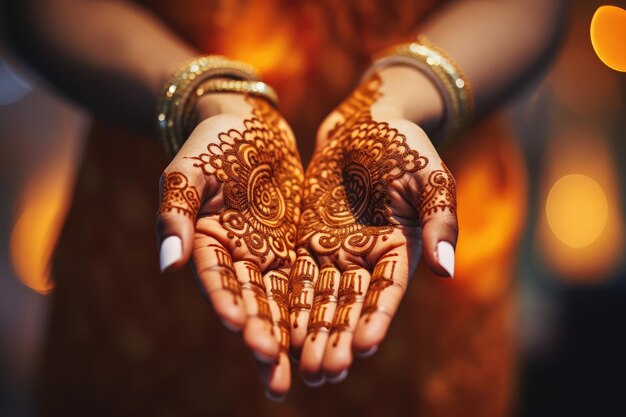
Natural henna is made from the dried and powdered leaves of the Lawsonia inermis plant. It stains the skin in shades of orange to reddish brown, depending on your skin type, where it’s applied, and how it’s cared for. It’s been used for centuries without additives, and when prepared correctly, it’s safe for most people.

Black henna is not real henna. It gets its colour from added chemicals—usually para-phenylenediamine (PPD)—which can cause serious skin reactions. These reactions may result in burns, swelling, and scarring. PPD is not safe for skin use in any concentration commonly found in black henna mixtures.

If it stains your skin jet black within minutes, it’s not pure henna—and it’s not safe.
 

Allergy Considerations and Patch Testing

Even natural products can cause allergic reactions in rare cases. That’s why a patch test matters for first-time users. If you’re planning bridal henna or buying a DIY kit for the kids, take this simple precaution:

  1. Apply a small amount of the prepared henna paste to your inner elbow or behind the ear.
  2. Leave it for at least 20–30 minutes, then rinse off.
  3. Wait 24–48 hours to monitor for redness, itching, or irritation.

No reaction? That’s a good sign. But take time to test—don’t skip it because you’re on a tight timeline.

Safe Henna Application Guidelines

  • Use pure, natural henna only. Look for labels that specify no added dyes, chemicals, or preservatives. If it hasn’t been made fresh from known ingredients, skip it.
  • Avoid store-bought tubes with questionable ingredients. Some “instant-dry” cones contain hidden chemical dyes.
  • For children, use extra caution. Younger skin can be more reactive. Always do a patch test and choose henna from sources that clearly list their ingredients.
  • Talk to your henna artist. If you’re hiring one, ask about their ingredients and preparation process. Any professional should be transparent and happy to explain what’s in the paste.
  • Don’t apply on broken or irritated skin. Henna is only meant for clean, healthy skin surfaces.

Safe henna starts with informed choices. Whether it’s your bridal design or your teen’s birthday party, avoid shortcuts and chemical mixes. Your skin will thank you, and your stain will still look stunning.

Common Allergic Reactions and How To Avoid Them

Henna is natural, but your skin’s response still matters. Not every product labeled “henna” is safe, and even natural blends can trigger reactions under the right (or wrong) conditions. Here’s what to watch for—and how to stay in the clear.

Typical Allergic Reactions to Henna

Reactions to natural henna are rare, but not impossible. Most issues arise from adulterated or chemical-laced versions. Symptoms to look out for include:

  • Redness or rash at the application site
  • Itching or tingling sensation
  • Swelling or blistering
  • Discomfort that lingers after the paste is removed

If symptoms appear within hours of application, wash the area thoroughly and monitor your skin. Mild cases may resolve with rest and gentle care, but if it worsens, seek medical attention.

Why “Black Henna” Causes Most Problems

Black henna isn’t henna at all. It usually contains para-phenylenediamine (PPD), a chemical dye used in hair colour that can severely irritate or even scar the skin.

If you had a reaction to “henna” that stained your skin dark black within minutes—it was likely a synthetic chemical mix, not the real thing.

For that reason alone, black henna should be completely avoided, especially for weddings, kids, or sensitive skin.

How To Prevent a Henna Reaction

Patch testing isn’t optional—it’s basic skin safety. Especially for brides-to-be, children, or anyone with eczema or allergies, a 48-hour patch test gives you peace of mind before applying a full design.

  1. Always test new henna paste before use, even if the brand says “natural”.
  2. Apply a pea-sized amount of paste on clean skin (like the forearm or behind the ear).
  3. Leave it on for 20 to 30 minutes, rinse off, then wait 1 to 2 days to check for any reaction.

Check the source of your henna. Professional henna artists and reputable retailers should disclose ingredients and offer allergy advice. If the product doesn’t list ingredients, gives off a strong chemical smell, or promises an “instant black” stain, it’s not safe.

Go With Certified Natural Products

DIY kits and ready-to-use cones vary widely in quality. Stick with suppliers who:

  • Use lab-tested, 100% pure henna powder with no harmful fillers
  • Disclose all added ingredients like essential oils or sugars used to enhance staining
  • Pre-mix in small batches with fresh ingredients to limit contamination and bacterial growth

Skin safety is not a wishlist item—it’s a must. Whether you’re a bride, parent, or casual henna fan, avoid chemical mixes and questionable products. The only henna worth wearing is the kind your skin agrees with completely.

Henna Application Process – What to Expect

Whether you’re booking a professional henna artist for your wedding or applying a design at home with a DIY kit, knowing what to expect can help you get the best results. From the moment the paste touches your skin to the final reveal of the stain, timing and care are everything.

Professional Application

A professional henna artist will start by preparing the skin—usually with a gentle wipe to remove oils and lotions. They’ll then begin freehand drawing or using design templates, depending on the complexity of the work. Bridal designs often cover large parts of the hands, arms, feet, and legs, and can take several hours to complete.

Expect multiple stages:

  • Design time: Bridal henna can take anywhere from 2 to 6 hours (or more), depending on the detail and coverage.
  • Drying time: Once applied, the paste needs around 30 minutes to start drying. Avoid touching or smudging it during this phase.
  • Set duration: To achieve the deepest stain, the henna should stay on for at least 6 to 8 hours. Many wear it overnight.

Professional artists often apply a lemon-sugar sealant to keep the paste moist and in place. You’ll be given instructions on how to care for the design post-application—follow them closely for the best colour payoff.

DIY Henna Application

Using a DIY henna kit at home can be just as rewarding, especially with proper preparation. Clean and dry the skin area first, and plan a time when you can relax during the drying process. Use cones or pre-filled applicators included in your kit to draw your design directly onto the skin.

  • Artwork time: Small motifs might take 10 to 20 minutes, while full designs take longer depending on experience.
  • Let the paste dry naturally. Avoid fans or heaters that can cause cracking.
  • Keep the paste on for several hours. At least 4 hours is recommended. Overnight is ideal for darker stains.

Once ready, scrape off the dried paste gently (don’t wash it off with water). The stain starts light orange and deepens to reddish brown over the next 24 to 48 hours.

Henna Aftercare Tips

Aftercare can make or break your henna stain. To keep the design bold and long-lasting, here’s what matters most:

  • Avoid water for at least 12 hours after paste removal. Moisture can lighten the stain during its darkening phase.
  • Keep warm. Heat helps activate the dye. Keeping your body warm or gently warming your hands helps intensify the colour.
  • Use natural balms or oils. After removing the paste, apply a layer of coconut oil, shea butter, or a henna-specific balm to protect the stain.
  • Skip soap for the first day. Don’t scrub the area, and avoid exfoliating products for as long as possible.

The deeper you care, the darker it stains.

For brides, plan your henna session at least two days before the main event to allow the stain to fully develop. For DIY users, timing, patience, and good aftercare make all the difference in stain quality—especially for big days or special occasions.

Henna is more than design—it’s a process. Knowing how it’s done, how long it takes, and how to care for it gives you control over the final result.

Longevity and Fading of Henna

Henna isn’t a one-size-fits-all when it comes to how long it lasts. The final colour and fade rate depend on your skin, body location, application method, and how well you follow aftercare. Whether it’s bridal henna or a festival-style design, here’s what you can realistically expect—and how to make your stain last longer when it matters most.

How Long Does Henna Last on Skin?

On average, natural henna designs last anywhere from 5 to 14 days. The stain starts out light orange after the paste is removed and deepens over 24 to 48 hours into a rich reddish-brown. Then, gradually, it begins to fade as your skin naturally exfoliates.

Things that affect longevity:

  • Body location: Palms, soles, and fingertips stain the darkest and last the longest because they have more keratin. Areas with less friction-free skin (like upper arms or back) fade faster.
  • Skin type: Oily skin may not absorb henna as deeply. Dry skin absorbs better but needs extra moisture during aftercare to avoid flaking.
  • Skin renewal speed: Some people naturally shed skin faster, which speeds up fading.
  • Daily activities: Frequent hand washing, swimming, and exposure to harsh soap shorten the life of a stain.

Expect the peak colour between day 2 and day 5, then a slow fade depending on care and skin type.

Tips to Make Your Henna Last Longer

If you want your henna to last through a wedding week, celebration, or back-to-back festival days, every step counts—especially how you prep, set, and protect your stain.

  • Start with clean, product-free skin. No lotion, sweat, or sunscreen before application. Oils can block the pigment from penetrating deeply.
  • Leave the paste on as long as possible. Aim for a minimum of 6 to 8 hours. Overnight is ideal, especially for bridal designs.
  • Keep warm during and after application. Warm skin absorbs the dye better. Cold slows the chemical reaction between henna and keratin.
  • Seal with lemon and sugar. Your henna artist may apply this to help the paste stay longer and retain moisture.
  • Avoid water in the first 12 hours after removal. This is when the stain darkens. Water can cause patchy or uneven results.
  • Use natural oils to protect the stain. Apply coconut oil, shea butter, or a henna-specific balm before bathing, swimming, or using cleaning products.
  • Avoid exfoliation. No scrubbing, chemical peels, or anything that speeds up skin turnover if you want to keep the design longer.

When and Where to Apply for Best Results

For bridal or event timing, book your henna session at least 48 hours before the big day. This gives the stain time to mature to its darkest colour. Full development usually happens between 24 to 48 hours after paste removal.

Hands and feet are the classic spots because they give the best, darkest stain—and keep it longer. If you’re using henna for less stain-prone areas like the arms, back, or shoulders, be realistic. The design may look lighter and won’t last as long.

Henna is temporary—but with the right prep and care, your design can hold strong through days of celebration, photos, and fun.

Addressing Concerns About Henna Stain Colour and Quality

One of the most talked-about topics with henna is colour. Brides-to-be often ask why some stains turn out rich and dark, while others stay light or fade quickly. There’s also the occasional worry: “Will it look orange instead of brown?” or “Is this going to leave a permanent mark?”

Let’s clear up the uncertainty so you can move forward with confidence—whether you’re a bride planning a full-back design or a festival-goer trying a DIY kit for the weekend.

What Determines Henna Stain Colour?

Henna doesn’t stain every person exactly the same way. The final colour on your skin depends on a mix of factors—some you can control, and some you can’t.

  • Skin type: Henna binds to the top layer of your skin (rich in keratin). Thicker skin, especially on palms and soles, gives deeper and longer-lasting stains. Softer areas like arms and backs often result in lighter colours.
  • Body temperature: Warmer body areas help henna develop its colour. Cold hands during and after application can result in faint stains.
  • Henna quality: Fresh, natural henna with high dye content produces more intense colour. Old or weak paste won’t give strong results, no matter how well you follow aftercare.
  • Aftercare: Moisture, warmth, and timing all affect the final stain. Washing the area too early or using soap right after paste removal can lighten results.

The natural colour range goes from orange (day one) to dark reddish-brown (by day two or three). Anything outside that range—like black or green—signals a problem with the product or ingredients used.

Orange Is Normal at First

When you scrape off the dried paste, your henna design will likely look orange. Don’t panic. This is part of the normal oxidation process.

Over the next 24 to 48 hours, the stain will deepen naturally into a dark reddish-brown. Warmer skin and proper aftercare can speed up the darkening phase. If you’re preparing for a wedding or event, do your henna 2 to 3 days in advance to let the stain reach its full colour potential.

Henna and Permanent Tattoo Fears

No, real henna can’t become permanent. Henna works by staining the outer layers of your skin. As your skin naturally exfoliates, the stain fades. This is why all henna—real, natural henna—eventually disappears completely.

If someone tells you their henna product is “semi-permanent” or “lasts for months,” be cautious. These products may contain chemical dyes or pigments that are meant for fabrics or hair—not for your skin. That’s where the real risk begins.

How to Trust the Stain—and the Artist or Kit

The difference between a rich, dark stain and a faded or patchy one often comes down to ingredient quality and preparation. Whether you’re getting professional bridal henna or using a retail kit, use this checklist before going ahead:

  • Does the henna contain only natural ingredients? Avoid anything that lists dyes, preservatives, or chemical names.
  • Was the paste made fresh? Henna loses strength over time. That’s why high-end artists mix it in small batches, often just days before your appointment.
  • Does the seller list full ingredients? Transparency is a sign of trust. If they can’t tell you what’s inside, don’t use it.

Realistic Expectations for Colour Across Skin Types

People with darker or heavily pigmented skin may see a different result than those with fair or light skin. That doesn’t mean the stain is “weaker”—it simply reflects the interaction of pigment with your existing tone. On deeper tones, henna can appear as a rich auburn or dark rust rather than fire-orange or bright red.

Quality henna is about process, not shortcuts. Natural colour variations are expected. What matters most is using safe ingredients, preparing the skin, and allowing time for the full colour to develop. Whether you’re a bride, a guest, or trying your first DIY kit, knowing what’s normal gives you peace of mind—and better results.

Is Henna Safe During Pregnancy?

Yes, henna can be safe during pregnancy—but only if it’s natural and applied correctly. For pregnant brides or guests, taking extra care with what goes on your skin is more important than ever. Henna is often part of cultural rituals or maternity celebrations, but not all henna products are pregnancy-safe. What matters most is the ingredients.

Choose Pure, Natural Henna Only

The only acceptable option for use during pregnancy is 100% pure henna made from Lawsonia inermis leaf powder. This type of henna is free from chemical dyes, preservatives, or artificial darkeners. It stains the skin in natural shades of red-brown and has been used for generations in traditional prenatal and postpartum care across cultures.

Skip anything labelled as black henna or fast-dye henna. These mixtures may contain para-phenylenediamine (PPD), metallic salts, or other chemical additives that pose a risk—not just to your skin, but potentially your baby as well. The same goes for commercial cones that don’t disclose ingredients or have a chemical smell.

Risks of Non-Natural Henna During Pregnancy

Exposure to chemical-laced products like black henna can cause:

  • Skin burns or blisters
  • Severe allergic reactions
  • Respiratory irritation from inhaling strong chemical vapours

Even without a visible reaction, pregnant skin is often more sensitive due to hormonal changes. Products that wouldn’t normally cause a problem might trigger unexpected irritation or discomfort.

How to Safely Enjoy Henna If You’re Pregnant

  • Confirm with your henna artist or retailer that the product is 100% natural. Ask about the ingredients and preparation methods. If they can’t explain what’s in their paste, don’t use it.
  • Do a patch test first. Even with natural henna, it’s smart to test a small area on the skin 48 hours before applying a larger design. Pregnancy can shift skin sensitivity, even if you’ve used henna before without issues.
  • Avoid applying henna over broken, irritated, or inflamed skin. Let any rashes, cuts, or sensitivity heal before use.
  • Steer clear of essential oils you’re unsure of. Some natural henna pastes include oils like clove or eucalyptus to enhance stain, but not all are pregnancy-safe. Stick with henna mixed with gentle, pregnancy-safe oils like lavender or no oil at all.

When in Doubt, Wait or Consult Your Doctor

If you’re unsure about henna use at any stage of your pregnancy, speak to a healthcare professional. Some may advise waiting until after the first trimester. Others may flag specific sensitivities. Every body and pregnancy is different—there’s no one-size-fits-all answer.

Prenatal self-care can include tradition—but not at the cost of safety.

With the right henna product and a cautious approach, it’s possible to enjoy body art that’s meaningful, beautiful, and safe for you and baby.

Henna Kits and DIY Use: What You Need to Know

Doing henna at home can be fun, creative, and personal—whether you’re prepping for a girls’ night in, school craft activity, or a bridal pre-wedding gathering. But the market is flooded with kits that range from excellent to downright unsafe. Knowing what to look for (and what to avoid) is the difference between a stunning design and a disappointing or dangerous experience.

What Makes a Henna Kit Worth Using

Your first filter should always be purity and transparency. A high-quality henna kit should give clear, complete information about what’s in it and how to use it. Here’s a quick list of what to check before buying:

  • Natural henna only. The kit should use 100% Lawsonia inermis powder, ideally sifted and fresh. Avoid anything with additives or dyes.
  • Ingredient disclosure. Good kits list every ingredient included—from the henna powder to essential oils (like lavender or tea tree) and liquids for mixing.
  • Proper packaging. Henna should be stored in airtight packaging, away from light and moisture. Leaky bags, flimsy pouches, or kits that smell chemically are a red flag.
  • Clear instructions. Look for kits that guide you through preparation, application, and aftercare using straightforward steps (not marketing fluff).

If the ingredients aren’t listed, skip it. Safe henna should never be a mystery box.

Ideal Contents of a DIY Henna Kit

A trusted kit should include the essentials—not just powder thrown in a bag. Look for the full setup, especially if you’re new to henna or gifting it to someone else.

  • High-quality henna powder (pure and finely sifted)
  • Mixing liquid (often a citrus blend)
  • Essential oil (if included, it should be skin-safe and mild)
  • Plastic cone or applicator bottle for design work
  • Gloves and design stencils (optional, but helpful for beginners)
  • Step-by-step instructions covering mixing, storage, and application

Ready-made cones are convenient, but be extra cautious—especially if they’re pre-filled and mass-produced with no ingredient list.

Common Pitfalls to Avoid When Using DIY Kits

DIY henna is rewarding, but it comes with some catch points. If you want professional-looking results, watch out for these traps:

  • Buying from unverified sellers. Marketplaces can be hit-and-miss. Buy only from trusted, Australia-based suppliers who understand skin safety and import regulations.
  • Confusing “black henna” for something stronger. It’s actually harmful. If a kit promises super dark stains in minutes without showing what’s inside, that’s usually a red flag.
  • Improper mixing. Too much liquid makes the paste runny and light-staining. Too little dries it out. Follow kit instructions closely or look for demo videos from the seller.
  • Skipping prep time. Henna paste needs a few hours (or overnight) to release dye properly before application. Instant use rarely delivers great results.
  • Short wear time. Peeling the paste off too soon reduces stain depth. Keep it on for at least 4 to 6 hours for real colour. The longer the better.

DIY doesn’t mean lower standards—it just means you’re in charge.

Who DIY Kits Are Great For

If you’re wondering whether a DIY henna kit is right for you or your event, there are some good fits:

  • Henna beginners and hobbyists wanting a safe, hands-on experience
  • Parents and teens exploring body art in creative, low-risk ways
  • Teachers and activity leaders hosting craft or culture events
  • Gift buyers looking for something meaningful and interactive

For bridal use, DIY can be fun for pre-wedding events like henna nights or guest activities—but the main bridal artwork is better left to a professional artist (since detail, symmetry, and stain strength matter most).

Going homemade doesn’t mean going risky. Choose kits that take your safety and results seriously. When the ingredients are pure, the instructions are clear, and the prep is patient—the outcome is worth it.

Henna for Different Skin Types and Tones

Henna doesn’t look identical on everyone—and that’s completely normal. Your skin type and natural colouring play a big role in how your design appears. Whether you have fair, olive, or deep-toned skin, henna can still look beautiful. What shifts is the final shade and how long it lasts. Here’s what to know so you can set the right expectations before your henna appointment or DIY session.

How Skin Tone Affects Henna Stains

Henna stains the top layer of the skin and binds with keratin, but the way it shows up isn’t uniform across all skin tones. Lighter skin may show more contrast between the design and background, making it appear more vivid. On deeper skin tones, the stain may look more subtle but still offers warmth and depth.

  • Fair to light skin: Henna initially appears bright orange and deepens to dark reddish-brown within 24 to 48 hours.
  • Medium or olive skin: The stain may develop into a warm rust or chestnut brown tone, depending on warmth and placement.
  • Deep or richly pigmented skin: Henna often appears as a dark auburn or mahogany colour, blending beautifully with natural undertones.

This variation does not reflect quality of product or application—it’s how natural dye interacts with melanin. It’s important that artists and clients alike understand this so no one feels disappointed by myths about “ideal” henna colour.

Texture and Skin Type Considerations

Beyond tone, the texture of your skin also impacts how henna sets and stains.

  • Oily skin: May resist dye absorption slightly, resulting in lighter stains unless thoroughly cleansed before application.
  • Dry skin: Typically holds pigment well but can show flaking if aftercare isn’t followed with oils or balm protection.
  • Thick skin areas (palms, soles): Absorb henna the best, giving the darkest and longest-lasting stain.
  • Thin or fleshy areas (upper arms, shoulders): May produce more muted results and fade quicker due to less keratin exposure.

Managing expectations upfront saves disappointment later. A skilled henna artist or well-informed retail kit guide will explain where best to apply for strong colour, and how to prep the skin to improve results.

Inclusive Beauty, Not One-Size-Fits-All

Henna has always been a global art form, and that diversity should be respected in how we talk about results. Deep skin doesn’t need a neon stain to be beautiful. Light skin doesn’t promise longer lasting colour. The depth, intimacy, and personal meaning of henna sits outside any single colour chart.

Every skin tone can wear henna—it just shows up in its own unique way.

Design Tips for Different Skin Types

If you’re choosing or applying henna, design style can enhance stain visibility across tones:

  • Opt for bolder patterns on richly pigmented skin to increase contrast if needed.
  • Keep your hand warm post-application to support stronger oxidation on cool-toned or oily skin.
  • Layer designs in stages for lighter areas of the body to help create dimension and detail.

Natural variation is part of the beauty of henna. You don’t need identical results to enjoy stunning, safe body art. Focus on clean ingredients, thoughtful technique, and good aftercare—and let your skin do the rest.

Environmental and Cultural Considerations

As henna continues to grow in popularity across weddings, festivals, schools, and private events in Australia, it’s important to stay aware of *how* and *why* we use it. Whether you’re ordering a DIY kit or booking an artist for your event, being mindful of both environmental impact and cultural respect sets the tone for a more meaningful (and responsible) experience.

Eco-Friendly Henna Practices

Natural henna is biodegradable and plant-based, but not all products or processes tied to it are kind to the planet. If environmental responsibility is part of your values—it should be—here’s what to watch for:

  • Choose henna with minimal packaging. Look for kits and products that avoid plastic cones or excessive wrapping. Compostable or recyclable packaging is a better choice.
  • Buy from local or ethical suppliers. Supporting Australian-based businesses that source ethically or small-scale producers that follow safe farming practices limits carbon footprint and reinforces fair trade.
  • Use natural ingredients only. Kits or pastes with synthetic dyes or chemical preservatives are not just risky for skin—they also pollute during production and disposal.

Whether you’re an artist planning dozens of designs or a classroom getting a bulk order of kits, your choices can help reduce waste and favour sustainable suppliers.

Respecting Henna’s Cultural Origins

Henna isn’t just decorative. It originates from centuries-old traditions across South Asia, the Middle East, and North Africa. For many cultures, it holds spiritual or ceremonial meaning, especially in weddings, pregnancies, and religious events. So if you’re borrowing from those roots—do it thoughtfully.

  • Do your research. Understand where your chosen design style comes from and what it represents. Avoid sacred motifs unless they’re appropriate for your context or given with guidance.
  • Don’t treat it as a costume. Henna isn’t makeup or party flair disconnected from its cultural significance. Using it purely for aesthetic or themed reasons—without awareness or respect—reduces it to trend.
  • Ask your artist about their background or design style. Professional henna artists often specialise in distinct traditions (Rajasthani, Gulf, Moroccan, Sudanese). You can respect the art even more by learning about the style being applied.

Appreciation means participation with understanding—not imitation without context.

Incorporating Traditional Designs Respectfully

Including henna in your celebration doesn’t require a cultural connection, but it does require cultural awareness. If you’re a bride-to-be excited by the elegance of henna or a host looking to add a creative detail to your event, consider these steps:

  • Choose designs that align with your theme or purpose without mimicking sacred imagery. Floral, geometric, and mandala-style motifs are universal and versatile for all occasions.
  • If inviting henna into a multicultural or interfaith ceremony, give credit where it’s due. Mentioning the inspiration behind the practice—whether in a program guide or during speeches—adds context and honours the tradition.
  • Hire culturally informed artists. Working with a henna artist experienced in traditional design ensures the artwork is not just beautiful but also applied with skill and cultural integrity.

When in doubt, go with intention and respect.

Good henna practice isn’t just skin-deep. When your approach honours both the environment and the people who’ve kept the tradition alive for centuries, it shows. And that makes the design on your skin even more meaningful.

Common Myths and Misconceptions Around Henna

Henna has become more visible at weddings, parties, markets, and even casual gatherings in Australia—but with wider popularity comes a lot of misinformation. Whether you’ve heard confusing claims online or had a not-so-great experience with a past product, let’s clear up the most common myths that trip people up when it comes to body art with henna.

Myth 1: Henna Stains the Skin Black

This is false. Pure, natural henna stains in a range from orange to reddish-brown. If a product gives a jet-black stain within minutes, it’s not real henna—it’s most likely packed with chemical dyes like PPD, which are unsafe for skin use. The term “black henna” is misleading and often refers to harmful additives that can cause blistering or scarring.

If someone offers you henna that gives instant black results, avoid it. It’s not safer, stronger, or more “advanced”—it’s just dangerous.

Myth 2: All Henna Is the Same

No. Henna quality varies dramatically depending on how it’s grown, harvested, stored, and prepared. The best henna is made from finely sifted Lawsonia inermis leaves, mixed fresh with natural oils and liquids for application. What you find in generic cones at markets or unreliable online shops could contain fillers, old powder, or artificial dyes.

Trust starts with ingredient transparency. One product might give rich colour and zero irritation. Another might barely stain or cause a rash. The label matters.

Myth 3: Anyone Can Mix a Good Henna Paste

In theory, yes—but getting consistent, deep stains takes more than just tossing powder and lemon juice in a bowl. Knowing the right ratios, resting time, and oils makes a major difference. Poorly mixed paste won’t stain well and may dry too fast or flake off, wasting the effort entirely.

If you’re using a DIY kit, start with clear instructions from a reputable source. For events or bridal use, a professional artist knows the prep and timing needed for the best effect.

Myth 4: Henna Is Only for One Culture or Event Type

Henna has roots across many regions—including South Asia, the Middle East, and North Africa—but it’s not limited to one culture or practice. Today it’s used in weddings, maternity art, religious holidays, festivals, and even casual creative gatherings. What matters is the approach.

Using henna respectfully means acknowledging where it comes from—not pretending it has no origin. Whether you’re trying henna for its symbolism or mere aesthetics, appreciate the traditions behind the art.

Myth 5: The Orange Colour Means the Paste Didn’t Work

That orange colour right after you remove the paste? It’s completely normal. Henna undergoes oxidation over 24 to 48 hours. Expect a deepening effect that shifts the colour into reddish-brown or chestnut tones depending on your skin and aftercare.

Orange is not a failure—it’s step one. Give it time, keep the skin moisturised and away from water for the first day, and the final result will speak for itself.

Myth 6: Henna Can Be Permanent

Henna is always temporary. The dye only binds with the top layer of skin, which sheds naturally over time. Most stains last between 5 to 14 days, depending on body placement and care. If something leaves visible marks for weeks or months, it’s not natural henna—and could be scarring or synthetic pigment.

Real henna fades, safely and naturally. Permanent results indicate a different product entirely—and usually not a safe one.

Myth 7: You Don’t Need a Patch Test If It’s Natural

Natural doesn’t mean risk-free. Just like with essential oils or cosmetic products, everyone’s skin reacts differently. Allergies, sensitivities, and skin conditions like eczema can make even gentle ingredients reactive.

Always do a patch test 24 to 48 hours before full application. Safety and confidence go hand in hand—especially for important events like weddings or pregnancy celebrations.

Truth Wins When You Ask The Right Questions

Don’t let misinformation keep you from enjoying henna—or worse, put your skin at risk. Whether you’re planning your bridal mehndi, buying a kit for a teen, or booking group henna for an event, base your choices on facts, not assumptions.

  • Check what’s in the paste.
  • Know what natural henna looks and smells like.
  • Understand what results to expect from your skin tone, location, and care routine.

Confidence around henna starts with knowledge. When you cut through the myths, the real beauty of the tradition shines even brighter.

Conclusion: Making Informed Choices About Henna

Choosing to include henna in your celebration—whether you’re a bride planning your special day, an event organiser hosting a cultural function, or a DIY enthusiast creating art at home—comes down to preparedness, safety, and respect.

We’ve covered it all:

  • Why natural henna is the only safe choice for skin
  • How to recognise and avoid chemical-based products like black henna
  • Steps to prevent allergic reactions (patch testing and ingredient checks)
  • What to expect during application and aftercare
  • How stain depth and longevity vary by person, location, and prep
  • The truth behind red flags, myths, and misconceptions
  • How accessories like henna kits can be used safely at home
  • Respectful use across different skin tones, cultures, and occasions
  • Eco-conscious and culturally informed practices that matter

Armed with the right information, you’re in control—from the product you select to the way you experience and share the artform.

Whether you’re walking down the aisle, setting up stalls at a festival, teaching teens about traditional body art, or simply decorating your hands for fun, make your henna choices based on clarity—not convenience.

Reliable henna isn’t complicated—it’s intentional. Clean ingredients. Transparent sourcing. Skilled application. Informed care. These are what turn a worry into wonder.

Confident skin. Guilt-free art. Safe, stunning results. That’s the experience you deserve—however you choose to enjoy henna in 2025.
The Art of Henna Paste Cones

Have you ever seen someone with intricate patterns on their hands, arms, and feet? This is known as henna art. It’s a form of body art that has been used since ancient times, and it’s still popular today in many cultures around the world. In order to get these beautiful designs, you need to use a henna paste cone. Let’s take a look at what these are and how they work.

What is Henna Paste?

Henna paste is made from a plant called Lawsonia inermis. The leaves are dried and then ground into a fine powder that can be mixed with water to form a paste. This paste has been used for centuries in India, Africa, and the Middle East for special occasions such

How Does it Work?

In order to create henna designs on your skin, you will need to use a henna paste cone. This tool looks like an icing bag or pastry bag but is specifically designed for applying the henna paste directly onto your skin. You can either buy pre-made cones or make them yourself by filling an icing bag with the henna paste mixture. Once you have the cone, you can start applying the paste in different shapes and patterns onto your skin. The paste will dry quickly and leave behind beautiful designs that last anywhere between one week and one month depending on how long you keep it on your skin before removing it with soap and water or oil—whichever works best for you!

Types of Henna Paste Cones

There are two types of henna cones available: disposable cones and refillable cones. Disposable cones are great for those who don’t plan on using henna regularly because they are easy to use and cost less than refillable cones. Refillable cones are ideal if you plan on using henna often because they allow you to easily fill them up with fresh henna paste when needed without having to purchase new ones every time!

How Do I Use A Henna Paste Cone?

Using a henna paste cone is fairly simple – all you need to do is squeeze out small amounts of the pasty substance onto your skin in order to create intricate designs. The key here is practice – it takes some time before you really get the hang of using a cone properly, so don’t be discouraged if your first attempts don’t turn out quite as planned! Once you’ve mastered using the cone, you’ll find that creating detailed patterns on your skin becomes much easier and more enjoyable than ever before.

Benefits Of Using A Henna Paste Cone

There are many advantages to using a henna paste cone over other methods of applying henna designs onto your skin. For starters, cones are very easy to use – even beginners can quickly learn how to use them effectively! Furthermore, cones are much more affordable than other options such as purchasing premixed tubes of henna or mixing up your own batches from scratch. Finally, cones allow for greater precision when creating intricate patterns on your skin since they allow for smaller amounts of paste to be applied at once.

Conclusion:

Whether you’re looking for an easy way to express yourself through body art or want to experience this ancient tradition firsthand, using a henna paste cone is the perfect way to start creating beautiful designs! With just a few simple steps—mixing together your own mixture or buying pre-made cones—you’ll be ready to start creating stunning pieces of artwork right away! So why not give it a try today? Who knows—you may even find yourself becoming the next master of henna art!


Henna Kits

Henna beginners

Create Your Own Henna Paste with a D.I.Y. Kit

Are you looking to try your hand at henna art but don’t know where to start? Look no further than our D.I.Y. Henna Paste Kit 1! With this kit, you can create beautiful, intricate henna designs for yourself and your friends in no time. Let’s look at what this kit contains and how it works.

What’s Inside the Kit?

Unleash your creativity and express yourself through custom henna art! With this specially crafted set, you’ll have everything needed to create beautiful works of body art. Each purchase includes a freshly made natural henna cone plus special oil for maximum staining power. Plus, with the included easy-to-follow instructions along with sample designs ready to inspire—you can make something truly unique!

heena kit

Gather Your Supplies

The first step in making your own henna paste is gathering all the necessary supplies. You will need henna powder, essential oils such as tea tree oil or lavender oil, an acid such as lemon juice or apple cider vinegar, sugar, and water. It’s also helpful to have a few small containers in which you can mix the various ingredients together.

Apply The Henna Paste To Skin

Once you have finished mixing your henna paste, it’s time to start applying it! Start by washing and drying your skin before applying a thin layer of Vaseline or other petroleum jelly along any areas where you plan on applying the paste—this will help prevent staining and allow for easier removal once the design is complete. After that, simply dip a cotton swab or brush into the mixture and start creating your design! Allow it sit on your skin for at least four hours before removing with warm water and soap; this will help ensure that your design lasts as long as possible without fading away too quickly.

Conclusion:

With our D.I.Y Henna Paste Kit 1, creating beautiful henna art has never been easier! This kit includes all the ingredients necessary to make your own henna paste from scratch as well as tools that will help you apply it precisely and easily – all in one convenient package! Whether you’re a beginner or an experienced artist, this kit is perfect for anyone who wants to create stunning body art without breaking the bank or having to buy individual items separately. So why wait? Get started today by ordering our D.I.Y Henna Paste Kit 1 today!


Everything You Need To Create Your Own Henna Tattoo At Home

Are you looking for a fun and creative way to express yourself? A DIY henna kit from Flawless Henna is just what you need! Our kits come with everything you need to create an amazing henna tattoo at home, including henna paste, powder, bindi body dots, and a transfer tattoo. Read on to learn more about this unique product and why it’s quickly becoming the hottest trend around.


What Is In The Kit?

Our DIY henna kits come with all of the items you need to create a stunning henna tattoo at home. Inside each kit, you’ll find pre-measured amounts of our highest quality henna paste, powder, and bindis. Each kit also comes with a beautiful transfer tattoo template that will help make your design process easier.


How Does It Work?

Using our D.I.Y Henna Paste & Powder Kit COMBO is easy! Just mix the powder and paste together until you get a smooth consistency. From there, use the included applicator bottle or cone to apply the mixture onto your skin in whatever design you choose. Once it dries, your design is complete!  For an even more personalized look, add one of our bindi body dots or use the included transfer tattoo template for extra flair.  With so many possibilities, the only limit is your imagination!


Benefits Of A DIY Henna Kit

DIY henna kits are great because they give you complete control over your designs. With no appointments necessary and no mess to clean up afterwards, these kits give busy people like yourself the opportunity to express themselves without having to sacrifice their time or money. Plus, if you don’t like how your first attempt turns out, just wash it off and try again!


Create Professional-Looking Designs

The great thing about this kit is that it allows even beginner users to create professional-looking henna designs quickly and easily. The included instructions explain step-by-step how to mix the powder and paste together until it reaches the perfect consistency for applying onto your skin. Once you have applied your design, allow the paste to dry completely before removing it from your skin; this will ensure that your design looks great once finished! If desired, you can use olive oil or coconut oil after drying to give your design an extra shine as well as help preserve its color for up to two weeks!


Conclusion:

At Flawless Henna, we believe that everyone should have access to high-quality products that allow them to express themselves creatively without breaking the bank or sacrificing their free time. That’s why we created our D.I.Y Henna Paste & Powder Kit COMBO—so that anyone can create their own beautiful tattoos at home in no time! Whether you’re looking for something special for yourself or a loved one, this kit has everything you need for success—so go ahead and give it a try today! You won’t be disappointed!

What You Need to Know About Organic Henna Powder

Are you looking for a natural, organic way to dye your hair and give it some volume? Look no further than Organic Henna Powder! This type of henna powder has been around for centuries, but in recent years its popularity has skyrocketed. Whether you’re new to henna or have been using it for decades, let’s take a look at why this product is becoming so popular among beauty lovers.


What is Organic Henna Powder?

Organic henna powder is made from the dried leaves of the Lawsonia inermis plant. This plant is native to North Africa, the Middle East, and parts of South Asia. The leaves are dried, then ground into a fine powder which can be used as a temporary hair dye or body art pigment. Its color ranges from deep red-brown to black depending on how long it is left on the hair/skin. It does not contain any harsh chemicals like other types of dyes and is safe for use on all skin types.


How Does It Work?

When mixed with water, organic henna powder creates a paste that can be applied directly to the skin or hair for temporary coloring. It lasts anywhere from one day to four weeks, depending on how long it is left on the skin/hair before being washed off. When used as body art pigment, it can last up to two weeks before fading completely away. The best part about using organic henna powder is that it gradually fades away over time without leaving any residue behind!


Benefits Of Using Organic Henna Powder

There are many benefits to using organic henna powder instead of chemical-based dyes or body art pigments. For starters, it’s much gentler on the skin and hair than other types of dyes and pigments which means less irritation and better overall health of your scalp/skin. Additionally, because it’s an all natural product there are no harsh chemicals involved which makes it safer for both adults and children alike! Lastly, because it gradually fades away over time there are no worries about staining clothing or furniture with permanent colors or pigments – perfect for those who like to experiment with their look often!


Nourishing Ingredients

Henna powder is packed with naturally-occurring ingredients that can help keep your locks healthy and hydrated. It contains essential oils that coat the hair shaft and seal in moisture while protecting against environmental damage such as sun exposure or heat styling. Additionally, the antioxidants found in henna powder help to promote cell turnover and stimulate healthy hair growth while protecting against further damage from free radicals. Finally, its anti-inflammatory properties can help reduce scalp itchiness or irritation caused by dryness or product buildup.


Cost Effective Solution

Organic henna powder  provides an affordable alternative to more expensive treatments like highlights or balayage. Since it does not require any additional products or tools (other than a bowl for mixing), you can apply it yourself at home without breaking the bank—especially when purchased in bulk! Plus, since the color will last longer than synthetic dyes, you won’t need to purchase new supplies as often either!


Conclusion:

If you’re looking for an easy way to temporarily dye your hair or get creative with body art without dealing with harsh chemicals or having permanent results – organic henna powder 500 grams may be just what you need! With its natural ingredients and gradual fade-away properties this product offers an easy way to experiment without worrying about damaging your scalp/skin or staining your clothes/furniture permanently. Give it a try today!

Shop Online

Buy DIY Henna Tattoo Kits. We ship Australia Wide.

Get in touch now

Book Online

Book Henna Artist For An Event

Quick Query

© Copyright – Henna Body Art, All rights reserved. – Henna Tattoo, Henna Body Art, Temporary Henna Tattoo, Henna Artists. Buy DIY Henna Tattoo Kits including Henna Paste Kit or Henna Powder Kit or just by Henna Paste Cone or Henna Powder. We deliver Australia wide including Sydney, Melbourne, Brisbane, Adelaide, Perth, Canberra, Gold Coast.

SSL Secure
Henna Body Art